
First, the Pros of Living in Charleston
1. Small Town Charm
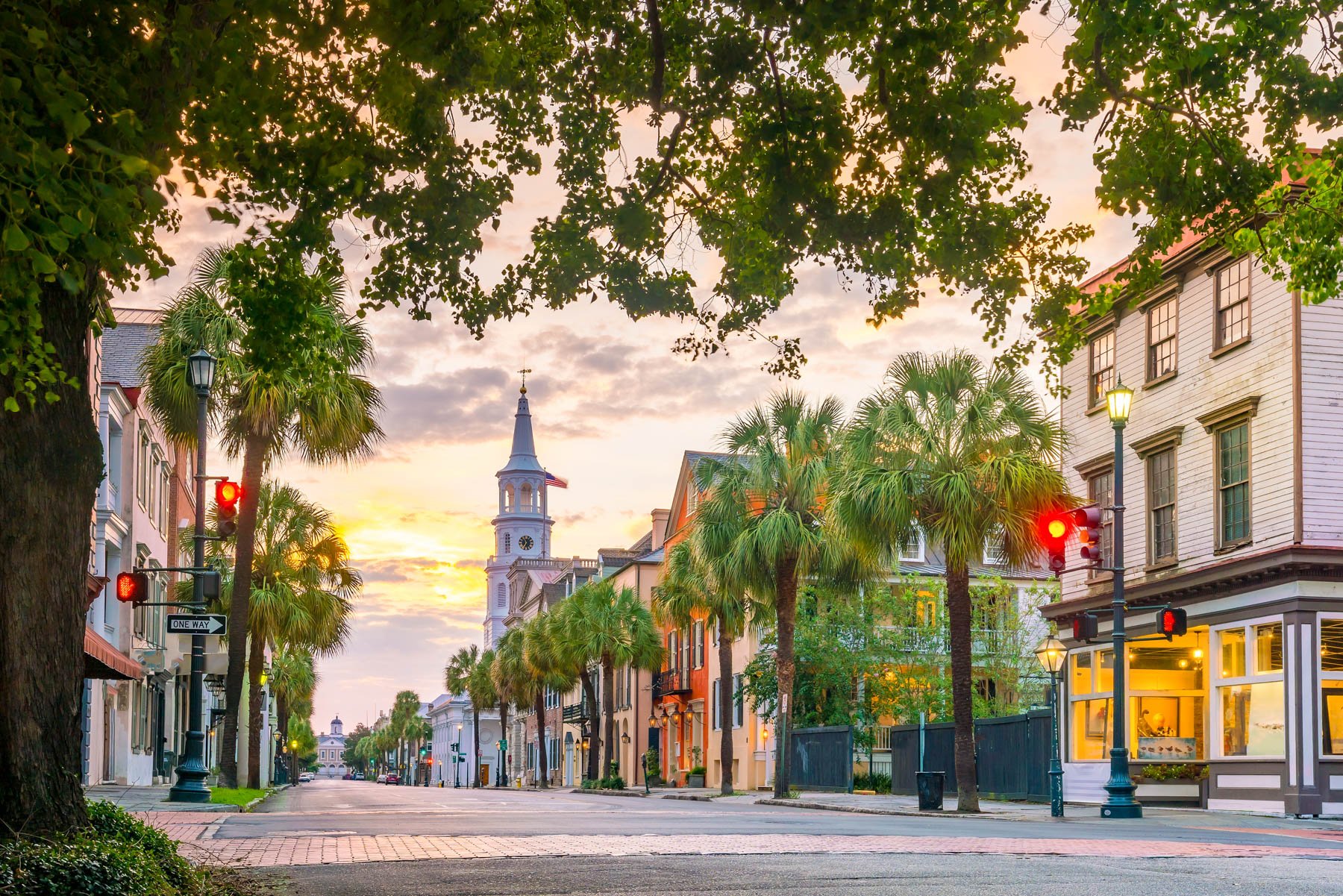
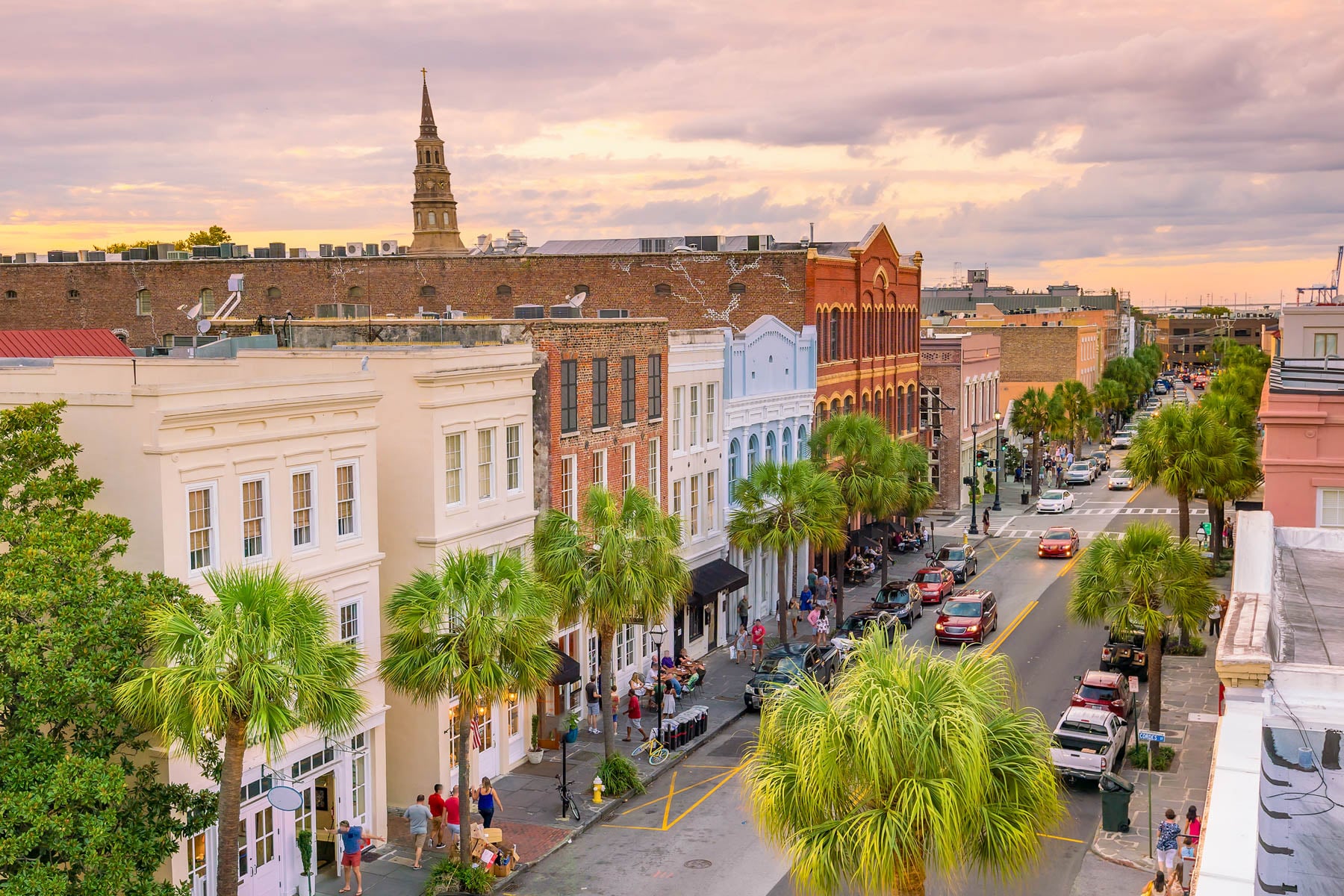
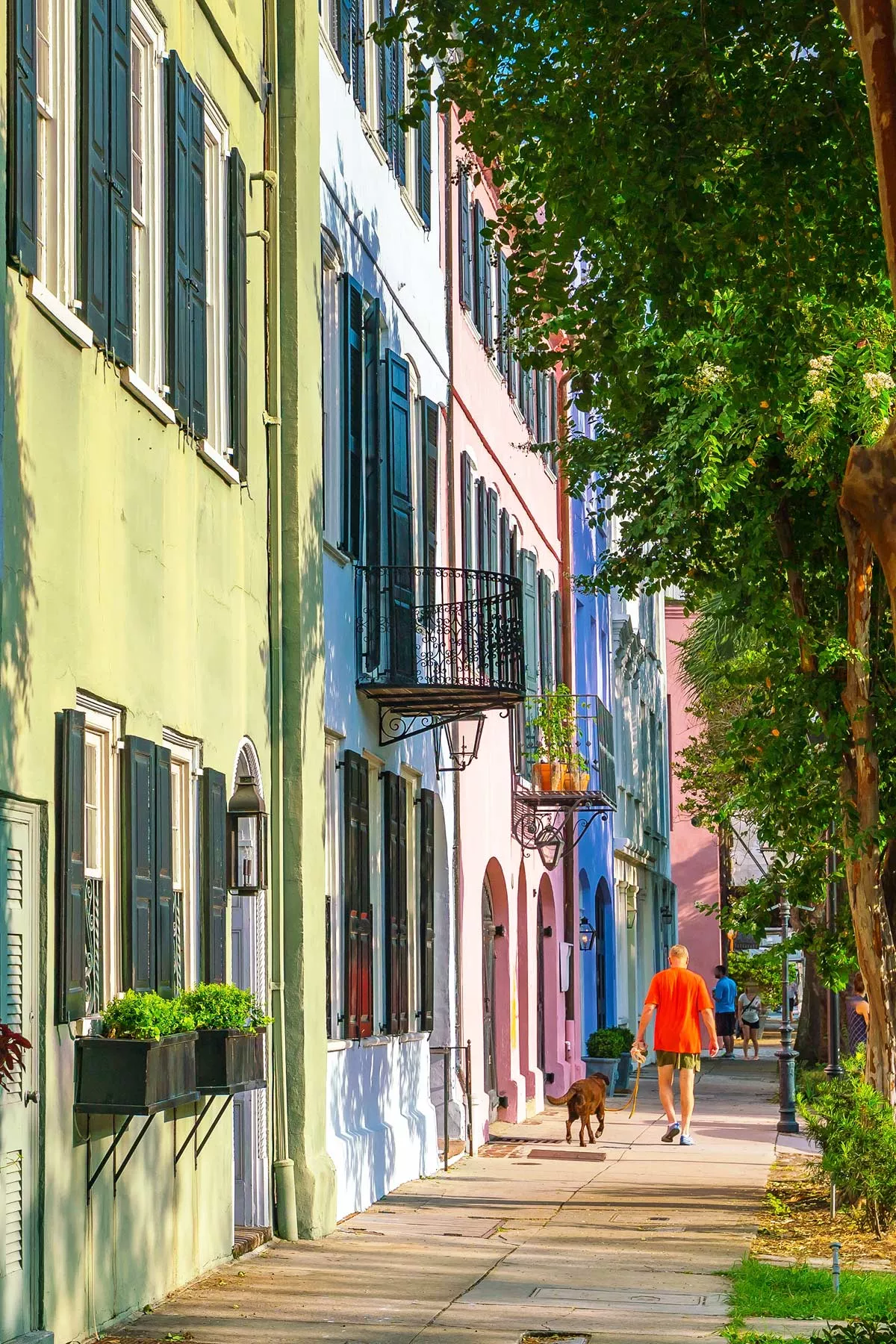
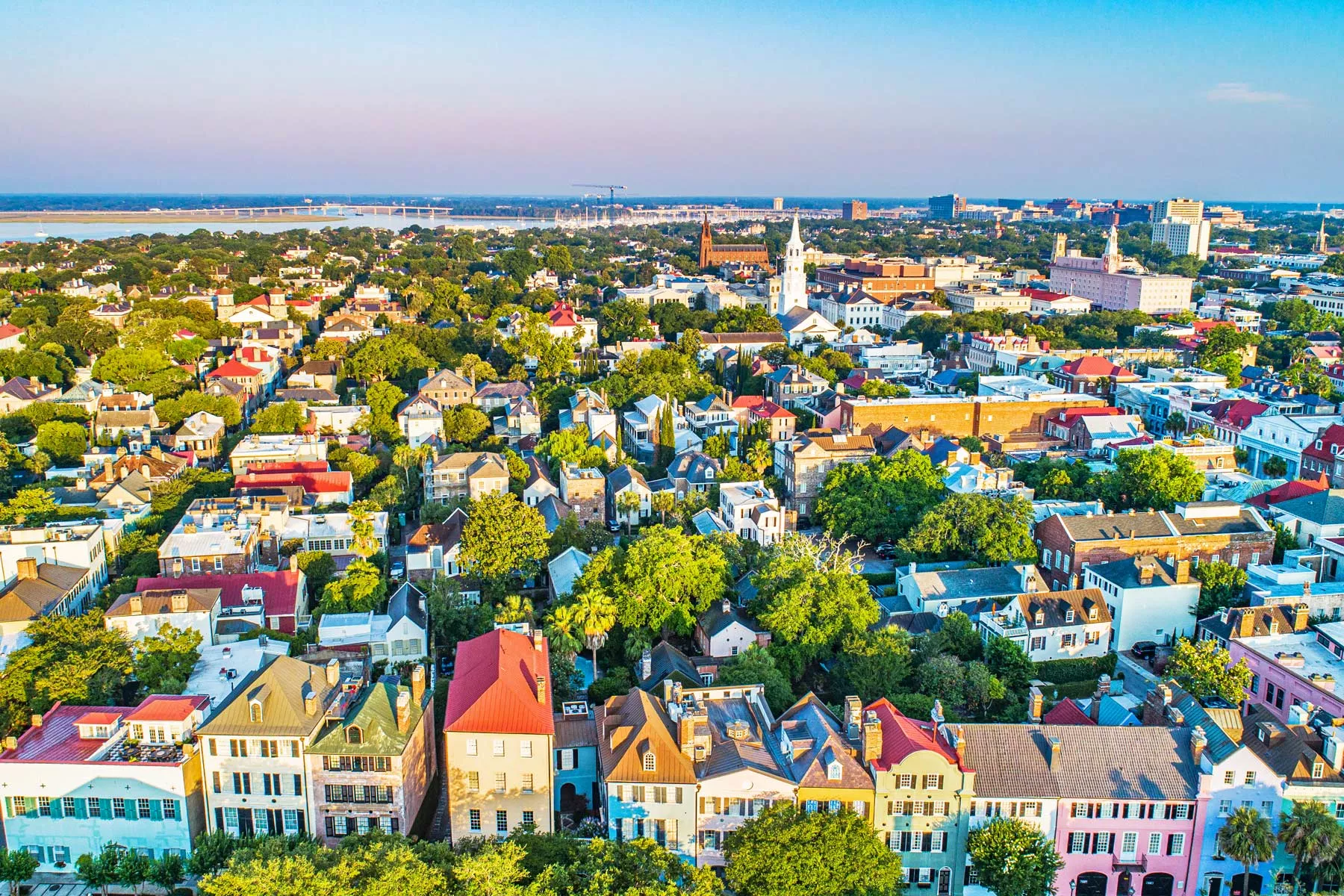
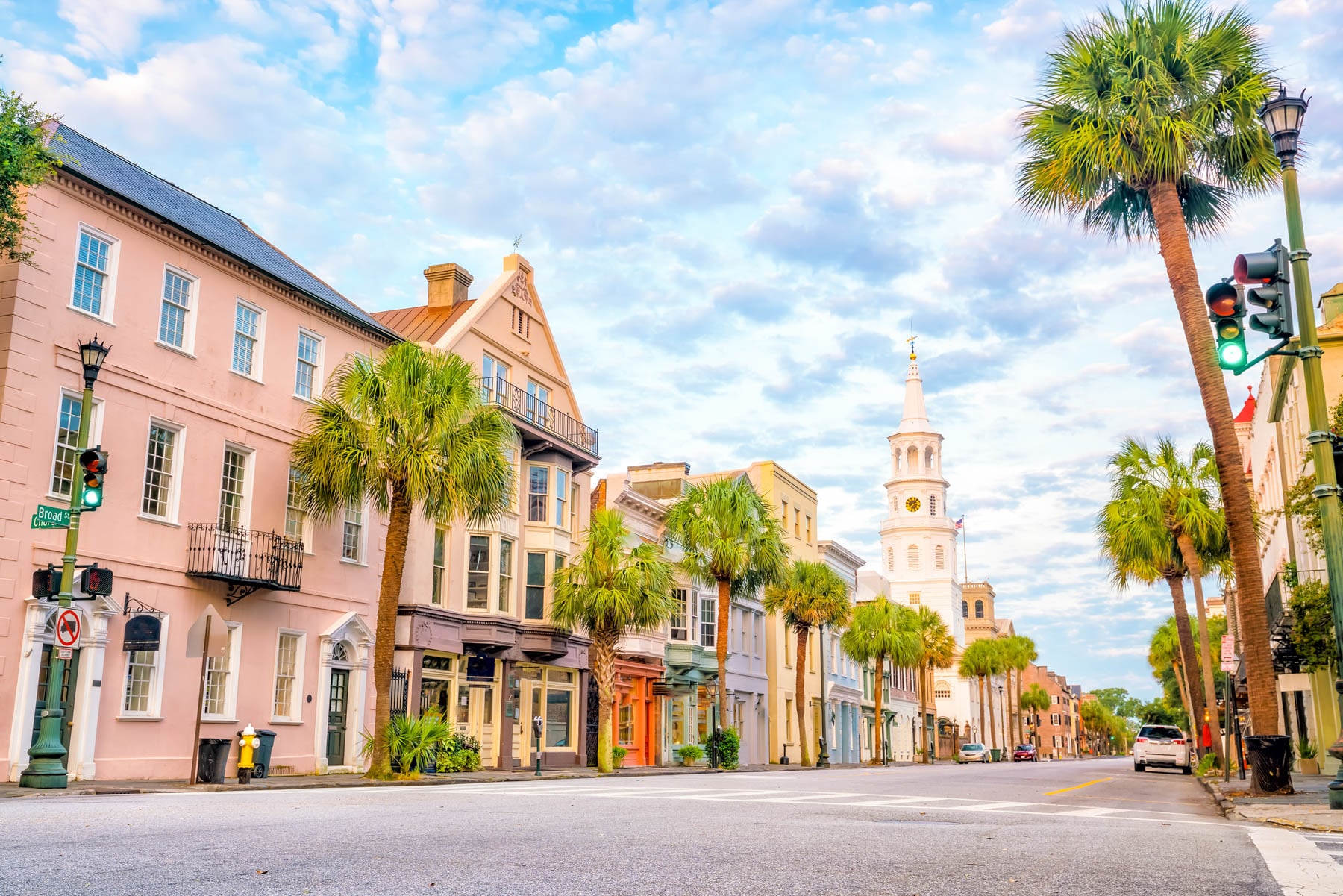
Alright, I alluded to this a second ago, but let’s dive in. My favorite thing about living in Charleston, by far, is the endless charm of the city (especially the colorful downtown core). Overall, I think my mom describes Charleston best: small town feel with all the big town amenities.
The city is steeped in rich history (it was founded 100 years before our nation was even born!), which gives way to beautiful architecture that makes exploring a treat. It’s no wonder why Charleston graces the top of many “best cities to visit” lists, the place is an absolute gem.
In fact, the list of accolades and awards is too long to list, if you’re curious you can see the roundup here.
One of the most impressive awards (in my opinion) is Travel & Leisure deeming Charleston one of the best cities in the world (the only US city to grace the list). Hard not to love that.
2. The Food Scene Is Top Notch
Charleston’s robust food scene is no secret. The recent popularity of the city has only improved options, with new restaurants seemingly popping up every week!
As a local, I feel downright spoiled by the plethora of restaurants available to me, and seldom have cravings that can’t be satisfied. But don’t just take my word for it, Charleston is considered one of the best foodie cities in America.
Expect to find everything from comforting southern food to fresh seafood worth writing home about. There’s a plethora of award winning restaurants to call out, but for the sake of time allow me to share my top three gems: Husk (can you say Sean Brock!?), Fig, and Rodney Scott’s Whole Hog BBQ.
3. Strong Job Market
The job opportunities in Charleston span the gamut, everything from tourism to education and aerospace engineering. Most of my new group of friends ended up moving to Charleston because of a job.
It seems like Charleston is able to attract top companies, which in turn compete with each other for the best employees. The average salary currently clocks in around $63,000 per year, which makes Charleston the second highest per-capita income in the state (second to Beaufort).
If you’re moving to Charleston with the hopes of landing a new gig, here’s a list of the top employers:
- U.S. Department of Defense’s Joint Base
- Medical University Of South Carolina (MUSC)
- Boeing
- Bosch
- Mercedes-Benz
4. Enjoyable Weather for Nine Months of the Year
Ask any locals to list their favorite things about living in Charleston and most of them will chalk it up to the (gorgeous) weather. You can expect sunshine and mild temperatures 9 months of the year, which makes outdoor activities (gardening, hiking, beach going, eating out, etc.) very enjoyable!
Average temperatures in the winter hover around lows of 40°F and highs around 60°F. Spring is marginally warmer with highs hitting 75-80°F and lows ranging from 50-65°F. Fall is also delightful, with temps staying consistently between 45 and 75°F.
You might be wondering about the summer months? Well, those are an absolute bear, but we’ll cover them in detail shortly.
5. The Pace of Life in Charleston Is Pleasantly Slow
One of my new coworkers mentioned that for her the most surprising thing about moving to Charleston is the slow pace of life. She wasn’t expecting that because she didn’t consider Charleston a small town (if you’re curious, the population is currently 137,000).
For reasons unbeknownst to me, locals don’t “live to work” by any stretch of the imagination. It’s uncommon for workweeks to stretch out beyond the standard 40 hours and the easy-going demeanor of the city reflects that.
The only downside of this applies to uber-ambitious folks that need stuff done yesterday. Chances are high that everything will take much longer than expected, which can be frustrating at times, but ultimately makes it very hard to become a workaholic.
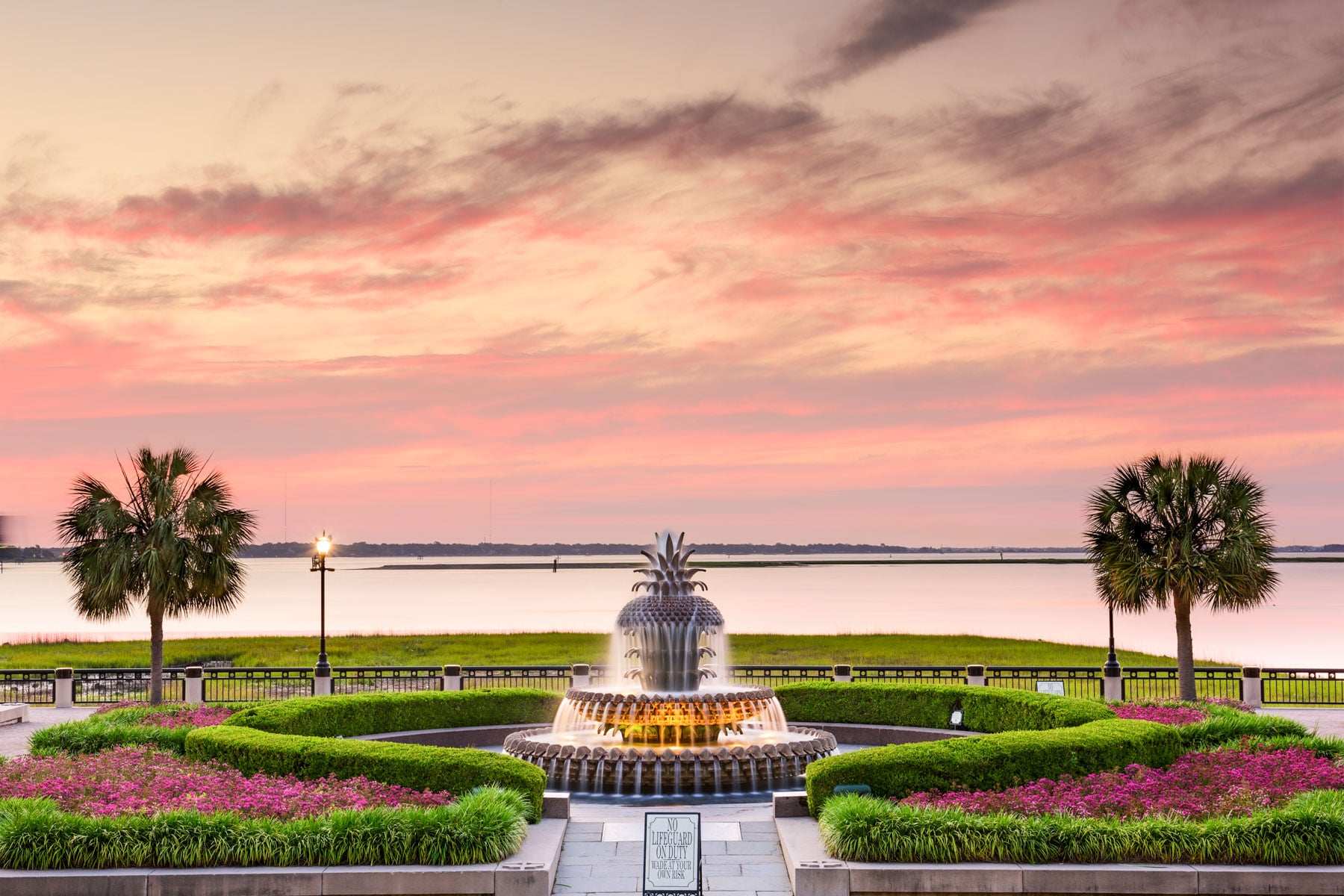
6. Daily Access to the Beach
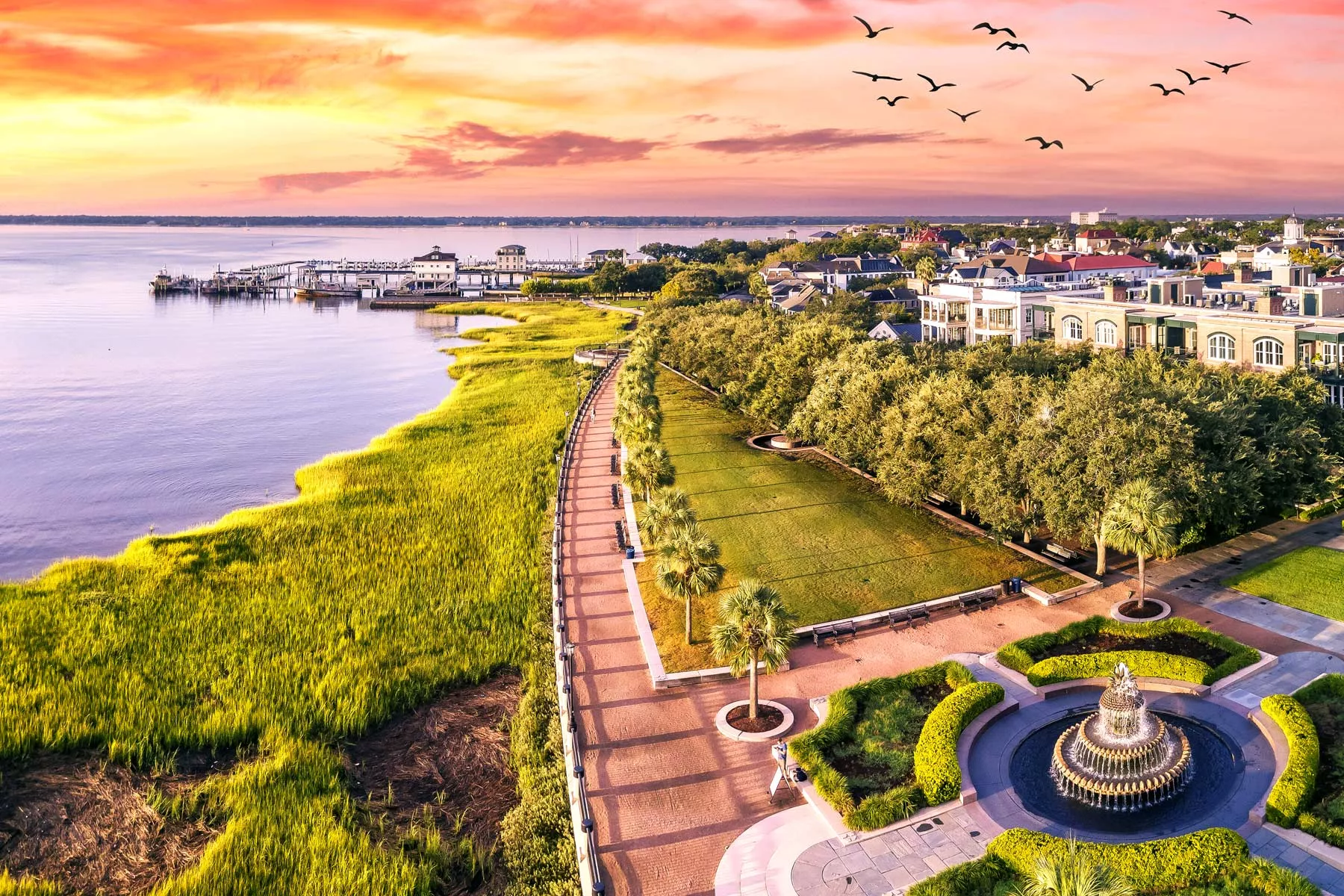
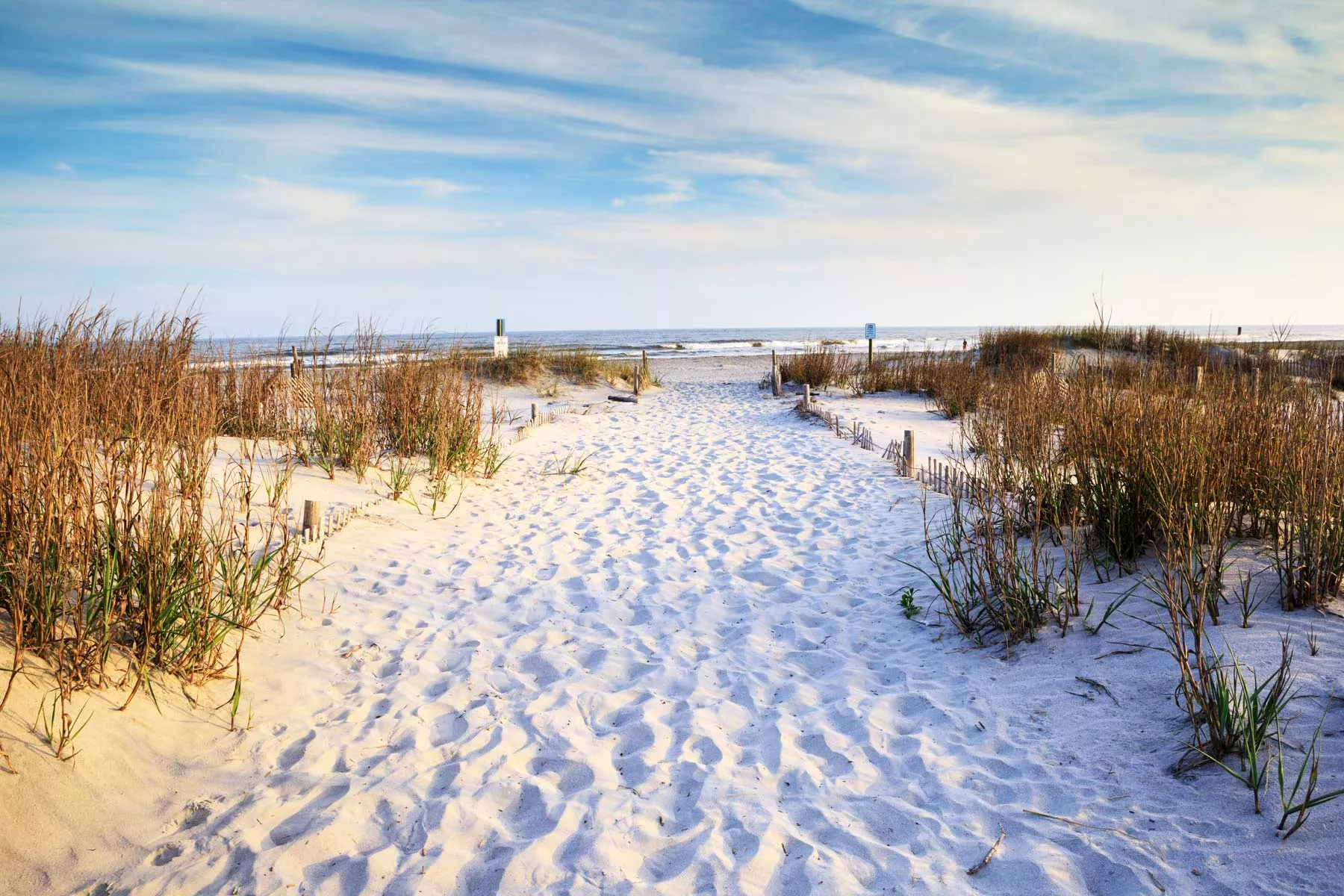
One of the biggest pros of living in Charleston, especially the downtown core, is that you’re always within a 20-minute drive of the beach, which makes everyday feel like a little vacation.
Seriously, I can’t stress this enough. Call me nostalgic if you’d like, but there’s nothing like living so close to the water. You can’t escape it.
My favorite beaches are Folly Beach and Sullivan’s Island, although it’s hard to go wrong with any beach when the mood strikes.
No daily task will go by without some sight of water, which is really nice — especially as sunset. I’ve traveled extensively and have to admit that South Carolina sunsets are something else (bias aside).
7. Local Farmer’s Markets
Living in Charleston feels like the closest thing we have to European living in America. Folks are all for buying local produce and supporting local businesses, which is why farmer’s markets are so popular.
There’s something so romantic about walking around from one bustling stall to the next in search of ingredients for the week’s meal. It’s something I wish more cities offered.
Living in Charleston there is an abundance of farmers markets and their delicious fresh produce.
Charleston Farmer’s Markets
- Charleston Farmers Market: Located in the heart of downtown Charleston, the Charleston Farmers Market is one of the most popular and beloved markets in the city. It takes place every Saturday morning, typically from April through December, in Marion Square. The market features an impressive array of fresh produce, including fruits, vegetables, herbs, and flowers. You can also find local seafood, baked goods, artisanal crafts, and live music, creating a lively and enjoyable atmosphere.
- Mount Pleasant Farmers Market: Just across the Cooper River from downtown Charleston, the Mount Pleasant Farmers Market is another fantastic option for fresh and locally-sourced products. Held every Tuesday afternoon from April to September, this market offers a diverse selection of fruits, vegetables, honey, jams, and more. It’s an excellent spot to pick up ingredients for a delicious meal or to simply enjoy a leisurely stroll through the booths.
- Johns Island Farmers Market: Located on the picturesque Johns Island, this farmers market runs year-round on Saturdays. Johns Island is known for its fertile soil and agricultural heritage, making it an ideal place for a thriving farmers market. Visitors can find a variety of fresh produce, seafood, meat, dairy products, and handmade crafts, all sourced locally.
- West Ashley Farmers Market: Held every Wednesday afternoon from April to October, the West Ashley Farmers Market offers a convenient mid-week opportunity to stock up on local goodies. It features a mix of fresh fruits, vegetables, flowers, and artisanal products. The market is family-friendly, with activities and entertainment for children as well.
- Sullivan’s Island Farmers Market: If you’re looking for a laid-back beachy vibe along with fresh produce, the Sullivan’s Island Farmers Market is worth a visit. Taking place on Thursdays during the summer months, this market provides a range of locally-grown fruits, vegetables, and other treats. It’s a great opportunity to enjoy the sea breeze while shopping for healthy, sustainable products.
8. Charleston’s Social Scene
The reason I’ve found myself content living in Charleston all these years is because I’m seldom bored. It seems like there’s always something to, regardless of the day of the week.
Charleston knows how to throw a party! Throughout the year, the city hosts some fantastic festivals and events that really bring the community together.
The Spoleto Festival USA is an absolute highlight with its captivating performances in music, theater, and dance. And if you’re into wildlife and nature, SEWE is the place to be, showcasing all the beauty of the Southeastern wildlife.
When the sun sets, Charleston’s nightlife comes alive. Upper King Street is the place to be for trendy bars, rooftop lounges, and live music venues. There’s something for everyone, whether you’re into jazz bars, dance clubs, or just strolling the lively streets.
9. Southern Hospitality
Lastly, no list of the perks of living in Charleston wouldn’t be complete without mentioning southern hospitality. Folks from Charleston are so friendly! I’m guessing the city’s tourism board made this the biggest draw to get folks to visit our city and it worked like a charm.
Charleston often ranks as one of the friendliest cities in America. Expect to be greeted with a warm welcome and smile while running errands, meeting new people or merely walking the streets. The constant kindness is one of my favorite things about living in Charleston, and one of the biggest reasons I’m reluctant to move.
If you plan on visiting beforehand to see if moving to Charleston is right for you, I suggest staying at this great (and affordable, for Charleston) hotel. It’s the one I recommend to out-of-town guests that feel more comfortable in a hotel than in my (small) apartment. If money is no object, here’s the best luxury hotel in Charleston.
- $2,312+0.4%Zillow Observed Rent Index (city) · 2026-0893rd cheapest of 106 cities
- $479k−0.1%FRED / realtor.com · 2026-0974th cheapest of 103 cities
- $592k+0.1%Zillow Home Value Index (city) · 2026-0895th cheapest of 105 cities
- 3.7%±0 ptBLS Local Area Unemployment Statistics · 2026-08tied for 27th lowest of 106 cities
- AQI 58ModerateAirNow · 10/09/26tied for 80th cleanest of 105 cities
- $4.03+4.0%AAA · 2026-10-1030th cheapest of 101 cities
Locals’ verdictGrade Charleston on cost, weather, jobs, people and safety · where it stands on our rankings
Cons of Living in Charleston
1. The Housing Market Is Off the Charts
If you’re moving to Charleston with the hopes of buying a home, it’d be good to know that the average cost of a home is around $520,000 (a 30% increase from last year alone). As with everywhere else in the country, the housing market doesn’t show signs of slowing anytime soon.
You’ll also need to consider the flood zone map because flood insurance rates vary drastically from one zip code to the next. Some areas require flood insurance, while others don’t so make sure to do your research.
In terms of property taxes, the folks living in Charleston are lucky because at 0.47%, taxes are relatively low compared to the national average. Since property taxes vary based on a few variables, I suggest taking a look at this helpful tool.
2. Moving to Charleston? Prepare for Mosquitos + Bugs, Lots of Bugs
I’ll admit, one of the most annoying things about living in Charleston is the constant onslaught of mosquitos (and all bugs, for that matter). The daunting season runs from April through October, in tandem with the humidity that keeps them happy.
Another thing to watch for are the palmetto bugs (or as they’re more commonly known, cockroaches), which are far too big to go unnoticed. Don’t google them unless you’ve had your dinner.
But listen, it’s not hard to see why mosquitos are so drawn to our little city. The still water that makes Charleston so charming serves as a breeding ground for the maddening mosquitos. But listen, anyone that lives in the south knows that bugs are par for the course — comes with the territory, I guess.
3. The Summer Humidity
Remember when I mentioned that living in Charleston has its perks because the city gets nice weather 9 months of the year? Well, let’s talk about the other 3 months. The weather from late July to early August is as bad as it gets.
Temperatures soar to 95-100°F, but that’s not the worst part — it’s the humidity that gets you. On average, humidity hits highs of 80-90% during the hot summer months, but it feels like 110%.
As such, the only way to maximize your enjoyment while living in Charleston is to take vacations in the summer months.
4. Charleston Is A Very Touristy Town
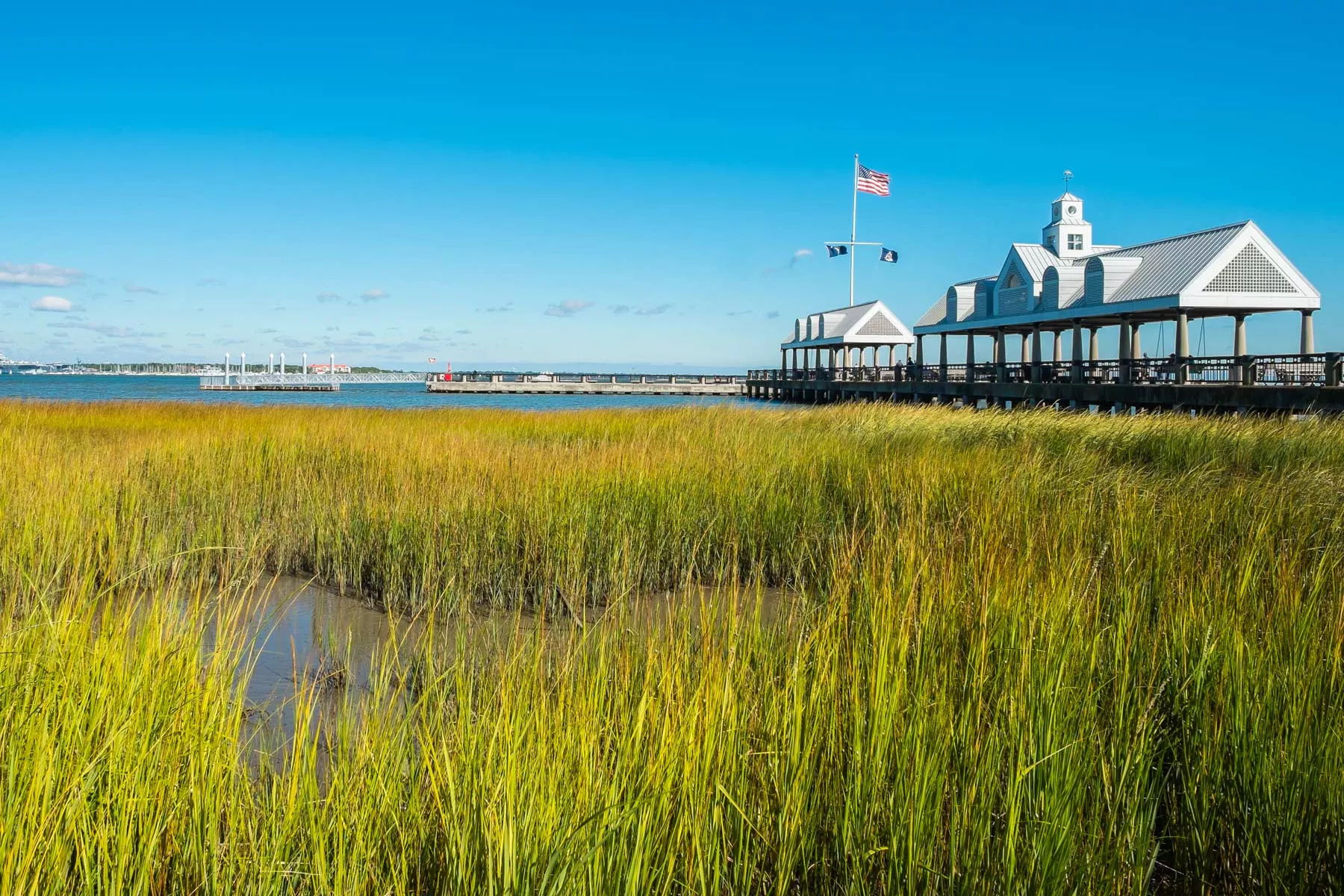
Let’s make this clear: Charleston was always desirable. But the town’s popularity has definitely spiked in the past few years (numerous popular publications consistently rank Charleston as the best city to visit).
As such, you’ll quickly learn after moving to Charleston that tourists will become part of your daily life.
On the upside, it boosts the local economy, creates jobs, and introduces the city’s charm to visitors. However, the downside includes overcrowding during peak seasons, increased cost of living for residents, and the risk of losing the city’s authentic character to commercialization.
Some locals really feel the strain on infrastructure, seasonal fluctuations in the economy, and even privacy issues due to the constant influx of tourists.
5. The School Districts Leave Much to Be Desired
Here’s some proof: In terms of best schools in the nation, South Carolina ranks 41st. The problem? There’s only 50 states to compete with. If you’re moving to Charleston with a family in town, you’ll need to consider your neighborhood wisely (which is the case anywhere you live).
Mount Pleasant has good public schools (and the price tags to prove it), Summerville is also a good option but outside of the affluent areas you may need to do a lot of leg work to ensure your kid gets the education they deserve.
6. The Landscape Is Flat
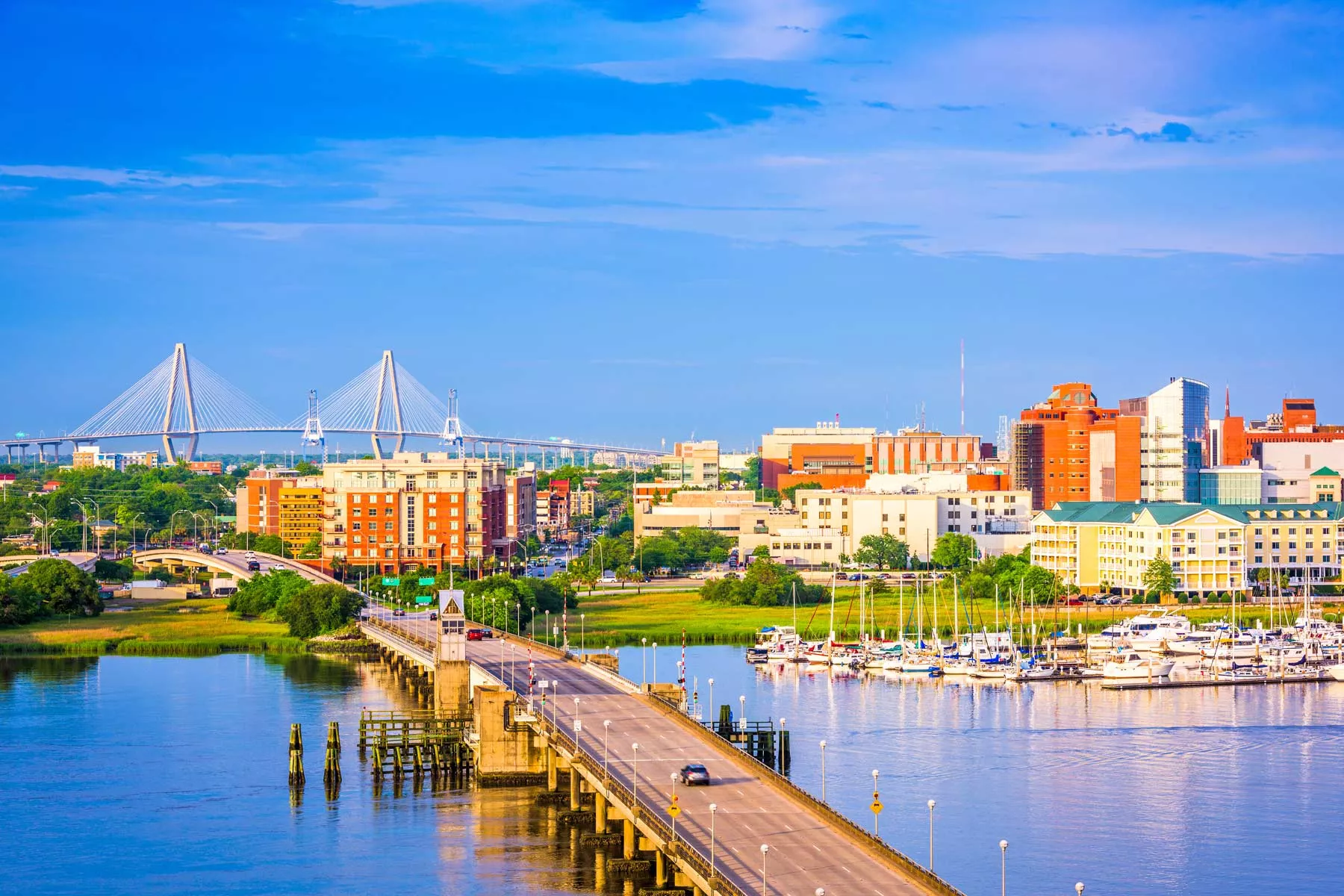
When it comes to living in Charleston I don’t have much to compare it to since I’ve been here my whole life, but I’d like to mention something I often hear new transplants — the landscape is too flat.
Folks that move to Charleston from mountainous regions may have a hard time adjusting to the scenery because there’s no hills or mountains peppering the scenery. Most of our free time is spent at the beach for a reason, which has its perks, but can feel one-dimensional. If you crave the mountains you’ll need to pack the car and head for a longish drive.
Again, I’ve heard this mentioned as a con of living in Charleston but it doesn’t necessarily apply to me because this is all I know — don’t shoot the messenger!
Tell the next person the thing the guide misses.
FAQ – Living in Charleston
Yes, Charleston is a fantastic place to live, offering a rich history, vibrant culture, beautiful coastal scenery, and a warm community that embraces both tradition and modernity. Its diverse social scene, culinary delights, and a variety of outdoor activities make it a desirable and enjoyable city to call home.
Yes, Charleston is an excellent place to retire, known for its charming atmosphere, mild climate, cultural offerings, and numerous recreational opportunities, making it an ideal destination for retirees seeking a relaxed and fulfilling lifestyle. The city’s welcoming community, historic charm, and access to healthcare and amenities cater to the needs and interests of retirees.
Comparison of the Pros & Cons of Living in Charleston
| Pros of Living in Charleston | Cons of Living in Charleston |
|---|---|
| Small Town Charm | Off-the-Charts Housing Market |
| The Food Scene (Great Restaurants) | The Summer Humidity |
| Strong Job Market | Charleston is a Touristy Town |
| Pleasant Weather 9 Months a Year | The School Districts Leave Much to Be Desired |
| Slow Pace of Life in Charleston | The Landscape is Flat |
| Daily Access to the Beach | Moving to Charleston? Prepare for Mosquitos + Bugs, Lots of Bugs |
| Local Farmer’s Markets | |
| Charleston’s Social Scene | |
| Southern Hospitality | |

Pros and Cons of Living in Charleston (Post Summary)
In sum, here’s a quick roundup of the pros and cons of living in Charleston
- Small town charm
- The food scene (no shortage of great restaurants!)
- Strong job market
- Pleasant weather 9 months of the year
- The pace of life in Charleston is surprisingly slow
- Daily access to the beach
- Local farmer’s markets
- Charleston’s social scene
- Southern hospitality
- The housing market is off the charts
- Moving to Charleston? Prepare for mosquitos + bugs, lots of bugs
- The summer humidity
- Charleston is a touristy town
- The school districts leave much to be desired
- The landscape is flat
I hope this answers your questions about moving to Charleston, if not, reach out in the comments below!
Cheers!
Pin Living in Charleston


Helpful Related Articles
Living in Georgia: 16 HONEST Pros & Cons of Living in Georgia (Let’s Talk)
Living in Atlanta: 15 Honest Pros & Cons of Living in Atlanta, Georgia (Local’s Guide)
Best Places to Live in Florida: 15 Best Places to Live in Florida
Living in Florida: 20 Honest Pros & Cons of Living in Florida (+ Forum)
Living in South Carolina: 15 Honest Pros & Cons of Living in South Carolina
Living in North Carolina: 12 Honest Pros & Cons of Living in North Carolina
Living in Tennessee: 15 Honest Pros & Cons of Living in Tennessee
Charleston in 2026, the Honest Ledger
Update from The Honest Local, September 2026: everything from here down was added after the original local wrote this guide, with a source for each figure.
South Carolina tore up its income tax code for the 2026 tax year, and that is the single biggest change to land on anybody thinking about moving here. Per the South Carolina Department of Revenue, tax year 2026 has two brackets instead of six. Income under $30,000 is taxed at 1.99%, income of $30,000 and up is taxed at 5.21% minus a flat $966, and a new state deduction (the SCIAD, worth $15,000 filing single and $30,000 filing jointly) replaces the federal standard deduction. For tax year 2025 the top rate was 6%. In 2021 it was 7%. If you were doing the math on a Charleston salary using an old calculator, redo it.
Four other things moved that you would want to know about.
- Home prices stopped climbing. The median listing price across the Charleston metro was $479,450Median listing price, realtor.com via FRED, September 2026. Updates itself when the source does. in September 2026 (Realtor.com data via FRED). That is the first real cooling this market has had in a decade. Rent did not get the memo. Zillow’s rent index puts the typical Charleston rent at $2,312Typical rent, Zillow, August 2026. Charleston, SC (city). Updates itself when the source does. a month, up 0.4% from the month beforeTypical rent, Zillow, August 2026. Charleston, SC (city). Updates itself when the source does..
- Boeing keeps getting bigger. Boeing South Carolina opened a second 787 assembly line in North Charleston in 2024, marked a $1 billion factory expansion in late 2025, and is building out 1.2 million more square feet for a third line by 2028. Since 2021 every 787 in the world is assembled here.
- The tide gauge had two quiet years. The NOAA station on the peninsula logged 7 days of high tide flooding in 2024 and 7 again in 2025, down from 19 days in 2023. NOAA’s 2026 to 2027 outlook calls it Charleston’s lowest count since 2018. Do not read that as solved. The Southeast still averages about seven more flood days a year than it did in 2000.
- More people, more planes. The Census put the city at 159,423 as of 2025, up from 150,227 in the 2020 count. Charleston International handled 6,341,145 passengers in 2025, a record, and about 46,000 more than 2024.
Figures marked with a dotted line update themselves from Zillow and realtor.com via FRED. Last checked October 10, 2026.
Locals describe Charleston as a place that charms fast and then tests your patience, especially once the bills and traffic pile up. Newcomers from places like New York City mention falling for the slow pace and the food, though the bugs and humidity take some getting used to. Longtime residents grumble that downtown has turned into a cruise ship and high end restaurant zone that locals can’t afford anymore, with the locally owned shops on King Street mostly gone.
The recurring complaint locals repeat again and again is flooding, along with the trees and land lost to development that used to help absorb it. Traffic is another sore point, since bridges bottleneck the whole area and growth has outpaced the roads. What might surprise a newcomer reading only a glossy guide is how bluntly residents say the city they grew up in doesn’t feel like the same place anymore.
“I love it, all.”
Elizabeth Reader
“Why doesn't anyone ever mention the horrible flooding problems that Charleston is known for?”
Darlene Martin Reader
“We're limited by the necessity of bridges to get anywhere.”
Jody Ragsdale Reader