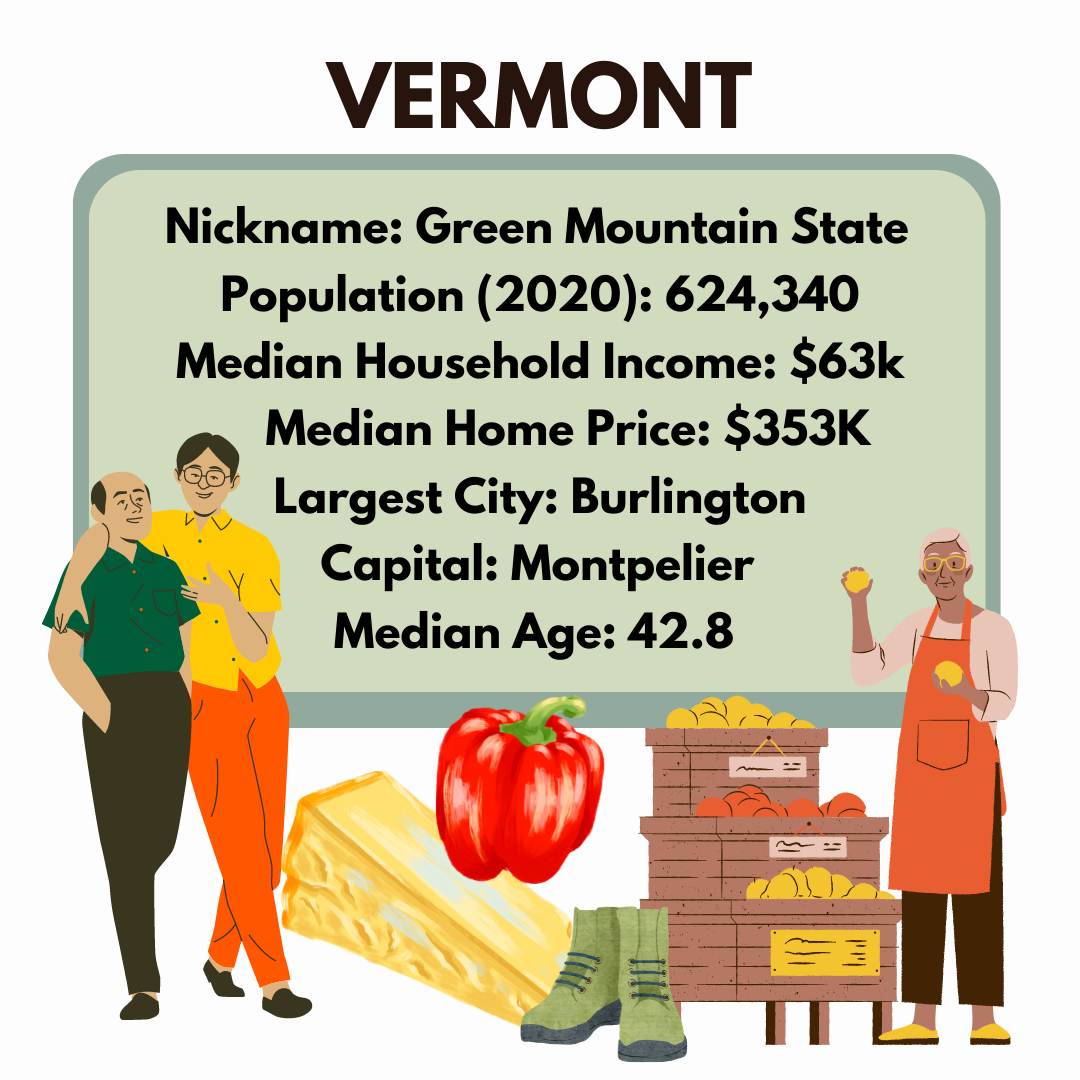
Pros of Living in Vermont
#1. Vermont Is the Greenest State In the Country
Let’s start with my favorite thing about living in Vermont — we are the most environmentally-conscious state in the country. So, what does that mean for the average Joe that calls the state home?
Well, for starters, being environmentally conscious means going the extra mile to ensure your daily actions have a minimal impact on the environment.
Secondly, this type of thinking permeates into every aspect of daily life in Vermont. From the morning commute to the produce you buy. Ask any lifelong local about proper recycling habits and they’re bound to give you an A+ answer.
Personally, I love living in a state that cares so much about the environment because it improves the overall quality of life. I’m healthier, happier and more productive simply because I’m more active and eat better than I would otherwise.
#2. Vermont Is One Of the Safest States
Here’s a fun fact that few folks moving to Vermont realize: it’s the second-safest state in the country. Crime is rare and well below the national average. You won’t hear folks discussing petty or major crime often, which is refreshing for those moving to Vermont from larger cities.
Speaking from personal experience, I’ve never felt unsafe while living in Vermont. I think there’s a strong sense of community and everyone looks out for each other, which keeps suspicious activity at bay.
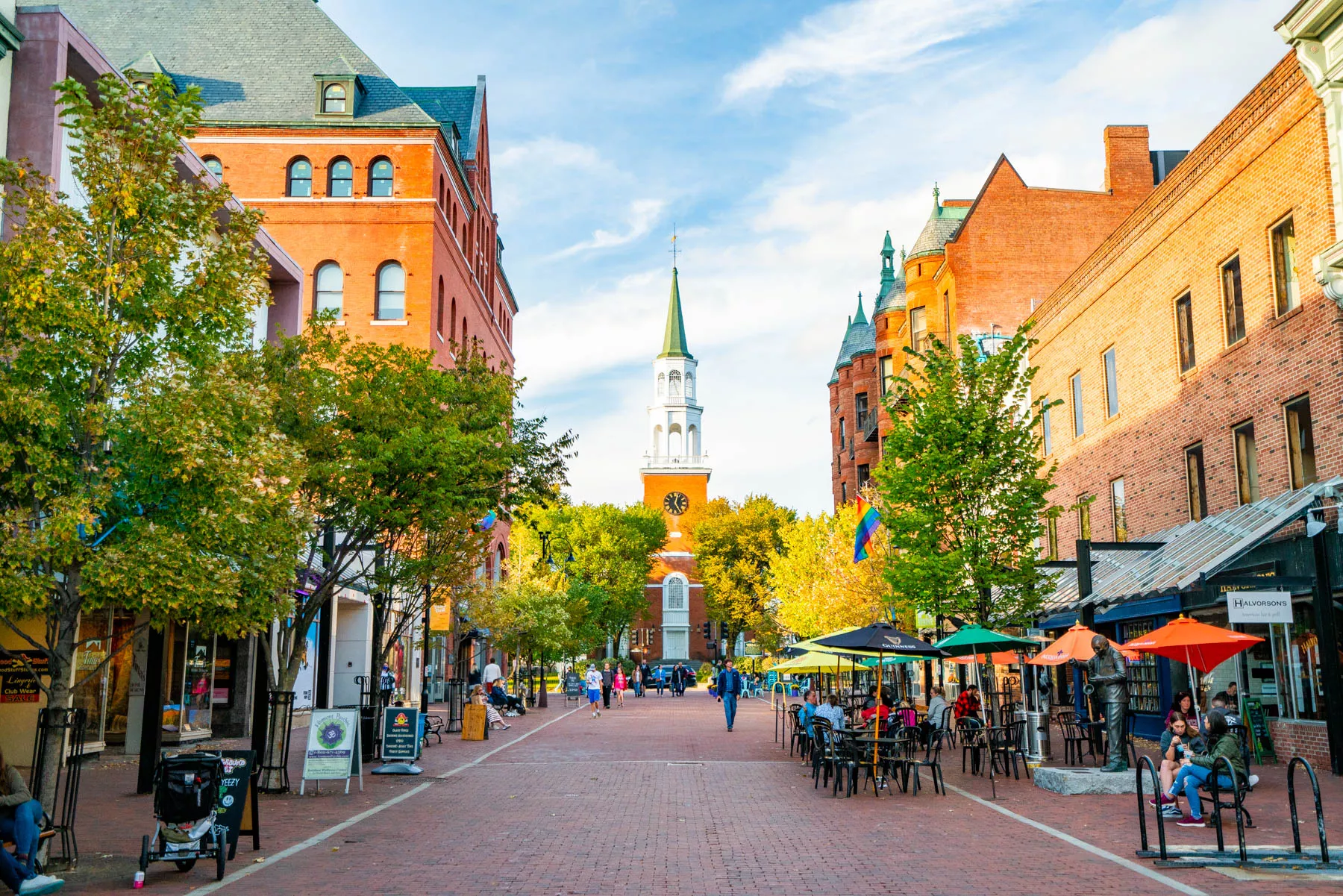
#3. Winter Activities Abound
Ask any local about their favorite things about living in Vermont and most will tell you it’s the winter activities. Ask any newcomer about their least favorite thing about moving to Vermont and they’ll tell you it’s the harsh winters.
The best way to describe the seasons while living in Vermont is like this: long winters, short summers. Thankfully, locals can “get with the program” and have learned to actually enjoy winter. The secret? Snow sports. You’ll find us outside regardless of the temperatures because otherwise we’d be going stir crazy 6 months of the year.
And thanks to the mountains, there’s so many great opportunities for winter outdoor recreation when living in Vermont. Everything from snowshoeing, skiing and snowboarding, to snowmobiling, sledding and ice fishing. You’re sure to find something to love if you can effectively combat the cold.
The biggest gripe newcomers have about our winters are the brutal temperatures (they are brutal!). But there’s a way around this hurdle and it starts with clothes. It’s crucial to learn how to dress properly while living in Vermont.
You’ll need good quality warm layers, which is why I swear by my Patagonia staples and this magical invention I can’t imagine living without.
Average winter temperatures (December – March) range between 10-20°F (sometimes dipping into the negatives). The winter months seldom climb above freezing and take a while to adjust to.
#4. Locals Are Self-Sufficient
I’ve mentioned this earlier, but I’d like to delve into the details. A lot of people end up moving to Vermont in hopes of living a more self-sustainable lifestyle and it’s hard to blame them. Unless you move to one of the towns in Vermont, most of your neighborhoods will probably own livestock. Everyone is handy and well connected, so if your car breaks down you’ll have several folks to call.
There’s many advantages to a self-sufficient way of life, chief among them is the deep sense of community that ensues. Vermonters have each others backs, which speaks to the small town style of living.
Another way this self-sufficient/small town living shines through is in the abundance of local farmers markets (especially in the summer and fall). Everyone has something interesting to offer!
Expect to find tons of home-baked goodies, handmade crafts (like candles and soaps) and the best apple cider donuts you will ever have (fighting words, I know).
The self-sustainability culture is prevalent and brings folks together to mingle and share, giving daily life in Vermont a charming vibe that few places can offer.

#5. Great Outdoor Recreation
I’ve lost count of the number of times I’ve heard coworkers refer to life in Vermont as a luxury. And it’s true, we’re downright spoiled. Spoiled by the beautiful nature, local cuisine, quality of life and infinite hiking options.
Whatever your itch, life in Vermont is sure to satisfy. Popular recreational activities include biking, hiking, climbing and the snow sports mentioned earlier.
If you’re moving to Vermont with plans to take advantage of the great outdoors, I highly recommend hiking the Camel’s Hump Trail (the second tallest summit in the state) to give yourself an introduction to the area.
#6. Access to top-notch schools
If you’re moving to Vermont with kids in tow then you’re in luck. Vermont has the highest annual per-pupil spending in the country ($20,795) and has the high rating to show for it.
In fact, Vermont’s state schools are considered the third best in the country.
Likewise, Vermont is considered the fourth-most educated state in the nation. In terms of degrees, 92.7% of residents have a high school diploma (the 6th highest percentage in the country) and 38% hold Bachelor’s degrees (the 7th highest percentage in the country).
#7. Mild Summer Temperatures
Vermont is one of the few places in America that hasn’t been impacted by scorching summer temps exceeding 100°F on the regular. Sometimes it feels like winters overstays its welcome, sure, but the pristine summer temperatures and striking greenery make up for past transgressions.
Average summer temperatures dance between 75°F and 82°F, which makes being outside very enjoyable.
Vermont is so beautiful in the summer (and fall too, of course). Sometimes I catch myself wanting to cry tears of job because I can’t stand it. I’ve traveled to so many places in the country and have yet to find a place that compares to the beauty of Vermont.
But I don’t want to fool you, even though the summer temperatures are pure bliss the bugs and ticks will keep you humble. They’re the worst (but we’ll cover that more in depth shortly).
Also, you may notice after moving to Vermont that there’s no billboards in the state. The reason? They were banned.
#8. The Craft Brew Scene Is Off the Charts
One of the more recent trends that has really excited me about living in Vermont is the craft brew scene. Vermont has more breweries per capita than any other state, with 15 breweries for every 100,000 residents. Locals are spoiled for choice.
There’s (far) too many great breweries to list here, but a few of my personal favorites are: The Alchemist, Hill Farmstead and Lost Nation.
Fun fact: Hazy IPAs originated in Waterbury, Vermont. The trend is sweeping the nation by storm and it’s cool to think that it started in our little state.
- $499k−3.5%FRED / realtor.com · 2026-0936th cheapest of 50 states
- $399k−0.3%Zillow Home Value Index (state) · 2026-0830th cheapest of 50 states
- 2.6%±0 ptBLS Local Area Unemployment Statistics · 2026-083rd lowest of 50 states
- $4.43−0.5%AAA · 2026-10-0534th cheapest of 50 states
- 98.0US = 100BEA Regional Price Parities (SARPP) · 2024
Locals’ verdictGrade Vermont on cost, weather, jobs, people and safety · where it stands on our rankings
Cons of Moving to Vermont
#1. The Cost of Living in Vermont is High
Let’s kick off this list of the (honest) disadvantages of living in Vermont properly: she’s beautiful but comes with a steep price tag. Don’t just take my word for it, Vermont is the 10th most expensive state in the country.
From groceries and gas to restaurants, utilities, housing and self-care, everything will cost more while living in Vermont (17% higher than the national average).
I understand that “expensive” is a subjective term. If someone’s moving to Vermont from New York City they won’t find our cost of living astronomical by any stretch of the imagination, I get that. But here’s the thing: This is rural Vermont and are salaries can’t keep up with the high cost of living.
Here’s the kicker: Vermont is deemed the least affordable state in the country. It’s estimated that only 16% of households can afford a mortgage payment, the lowest percentage in the country.
For reference, Connecticut is the second least-affordable state, with only 21% of households in a position to afford a mortgage.
It also doesn’t help that Vermont has some of the highest taxes in the country, to boot.
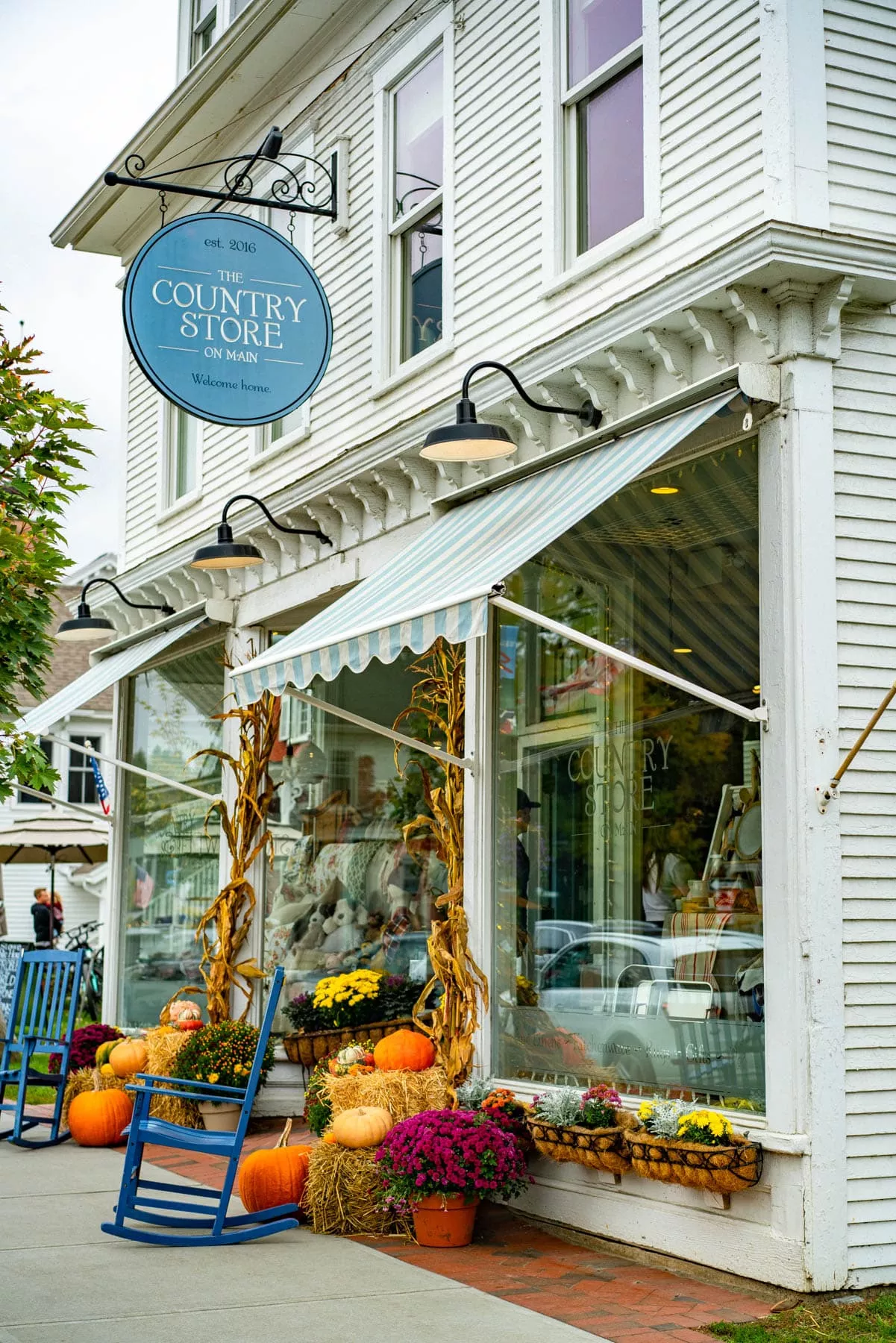
#2. This Isn’t A Place to Grow A Career
Another big thing to keep in mind before moving to Vermont is that finding a gig can be a mixed bag. At 2.3%, Vermont has one of the lowest unemployment rates in the country but that doesn’t necessarily mean jobs are easy to come by.
The largest employers in Vermont are: National Life Group, The University of Vermont Medical Center, Cabot Creamery Cooperative Inc, Casella Waste Systems Inc and the University of Vermont. Seems dandy enough until you notice that most of the jobs are in insurance, government, medical and education.
If you work in a creative field then you may have a hard time finding a job after moving to Vermont. What’s more, there seems to be very low turnover (this is based on my personal experience in the workforce), so connections matter more than some people realize.
My biggest advice is to make sure you have a job lined up before moving to Vermont.
#3. Seasonal Affective Disorder (SAD)
Vermont often ranks in the top 10 states with worst seasonal affective disorder (SAD), which is not to be taken lightly because it impacts your daily life.
Seasonal Affective Disorder (SAD) is a type of depression related to seasonal weather changes. It tends to keep regular office hours — opening shop in October and closing for the season come May. (This is obviously not a medical definition).
Honestly, between January – March, the gray weather and cold temperatures are a lot to handle. There’s two things that have helped me most in dealing with the impossible winter season. First, investing in this bad boy (I use it daily) and secondly, budgeting a vacation in February.
Likewise, outdoor sports are essential to sanity after moving to Vermont. This is why locals have come to love them. I can’t stress this enough: If you don’t pick up a winter sport while living in Vermont then you will find winter intolerable.
Local’s Tip: You may hear locals refer to “five seasons” after moving to Vermont. What they mean is this: There are five true seasons in Vermont: Foliage, Stick, Winter, Mud and Summer.
#4. Reserved Locals
This goes hand-in-hand with how self-sufficient locals are but it warrants a deeper dive. Vermonters tend to be pretty reserved and private, so it will take a long time to build friendships.
Granted, it will be much easier to make friends if you’re living in one of the cities because there’s a higher chance you’ll run into other transplants.
But most of Vermont is rural and making friends requires a great effort. Locals are more observant of newcomers (which is not unique to Vermont, mind you) which seems to be the norm in most small towns.
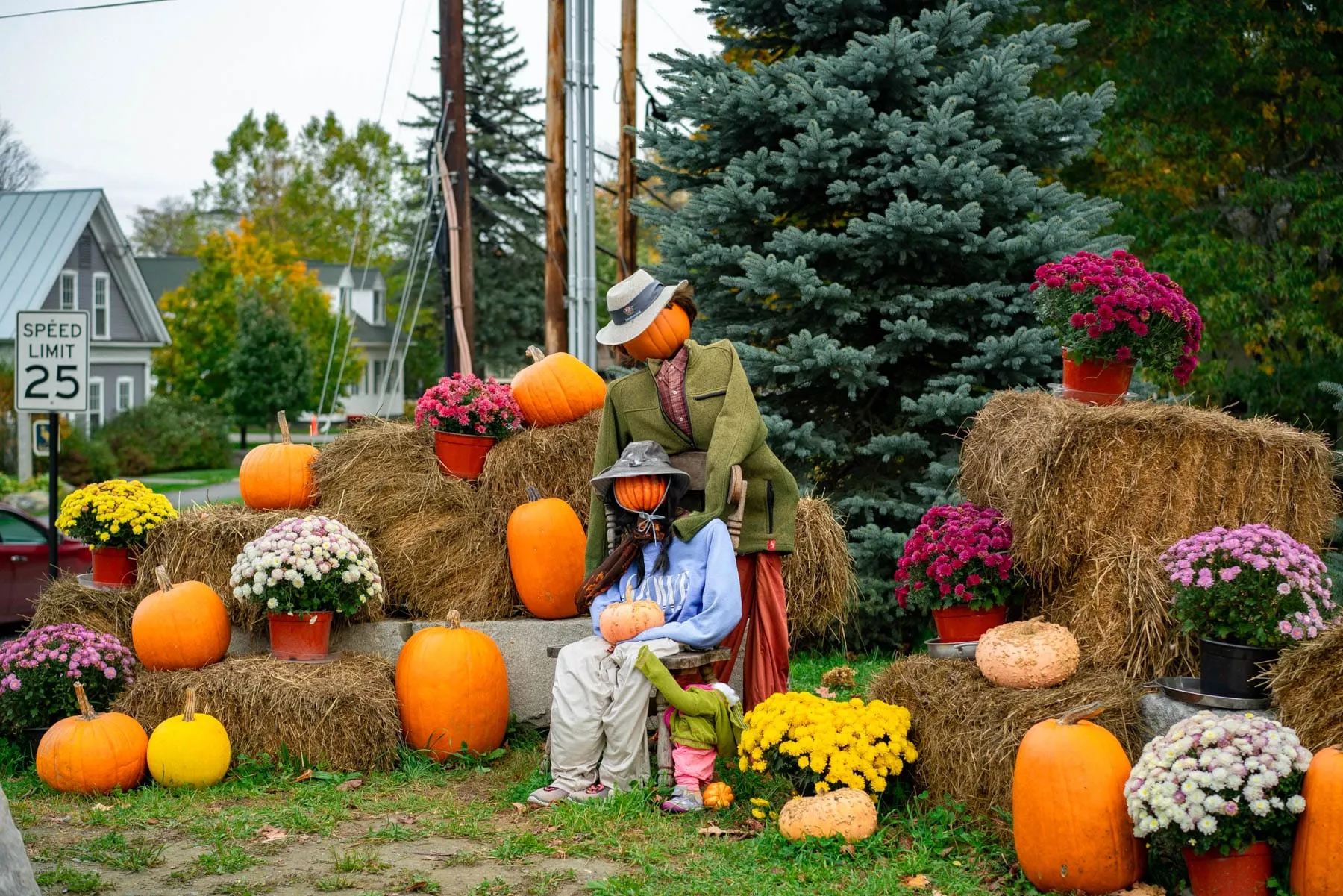
#5. Lack of Diversity
One of my least favorite things about living in Vermont is the stark lack of diversity. The state is 89.1% white, which makes is the second-least diverse state in the country.
Further Reading: How Cultural Diversity Makes a City a Better Place to Live, Work and Play.
#6. You’ll Need A Car to Get Around
Everything is spread far apart so you’ll definitely need a car while living in Vermont. Some might argue that if you live in a city you’ll be fine without a car, which is partially true but then your access to the great outdoors will be substantially limited.
And since outdoor recreation is the biggest perk of living in Vermont, I’d argue a car is a necessity. You might want to factor in rising gas prices before moving to Vermont (especially if you’re coming from a city where you didn’t own a car) because the expenses add up.
#7. Internet & Cell Service Is Spotty At Best
There’s no reason to sugarcoat this one: the internet service in Vermont is terrible, almost non-existent. Don’t expect good internet access if you’re living in the rural areas (even the cities leave much to be desired). I always mention to family and friends not to panic if they can’t reach me for a few days, it just is what it is.
#8. Mosquitos & Ticks
One of the biggest cons of living in Vermont are the intolerable bugs. It seems like we have the worst of them, black flies, ticks, mosquitos and spiders galore. The only way to enjoy the pristine summer weather at home is to have a screened in porch, because otherwise you might be eaten alive.
#9. Fall Tourist Season Sucks
The longer I find myself living in Vermont, the more I realize how easily annoyed I become during high tourist season in the fall. This probably reflects very poorly on me, but it gets old after a while.
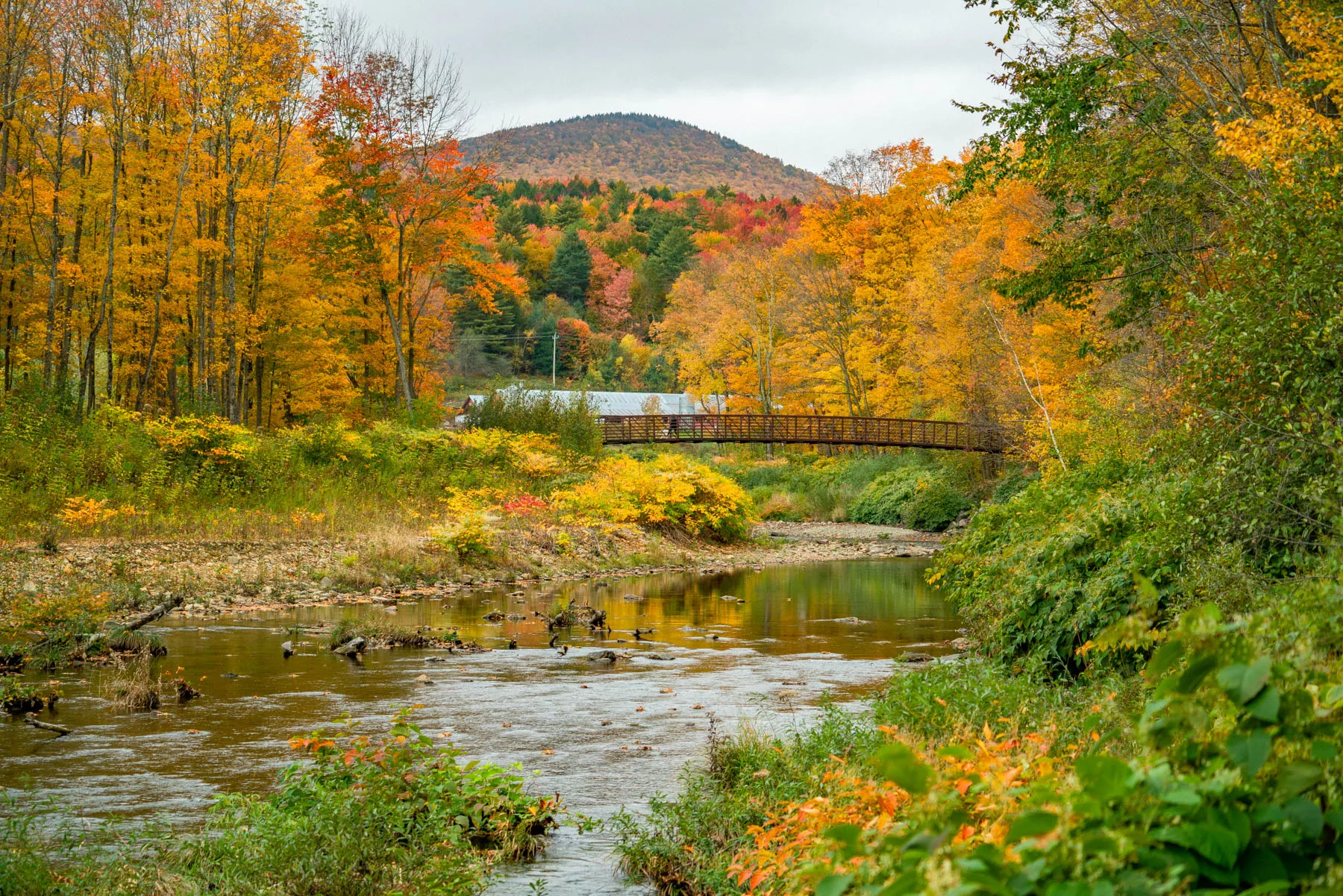
Vermont is a stunning place so the tourism is completely warranted. Fall foliage draws in millions of people annually and there’s a good reason for that (Vermont is one of the fall color capitals of the world!). The boost in tourism also provides seasonal jobs for locals (not well paying, but still something).
The thing that seems to get most annoying for locals are the tourists that don’t respect private property and trespass for photos. So word to the wise — if you’re visiting Vermont for the fall color (as you should) be mindful of signage, it goes a long way with locals.
Tell the next person the thing the guide misses.
Compare the Pros vs the Cons of Living in Vermont
| Pros | Cons |
|---|---|
| Vermont is rural | Cost of living is high |
| It’s one of the most liberal states in the country | This isn’t a place to grow a career |
| Weed is legal and enjoyed | Seasonal Affective Disorder (SAD) |
| Vermont is the greenest state in the country | Reserved locals |
| It’s also one of the safest states in the country | Lack of diversity |
| Winter is what you make it | You’ll need a car to get around |
| Local community (self sustainability) | Cell reception is spotty at best |
| Access to top-notch schools | Mosquitos and ticks |
| Great outdoor recreation | Fall tourist season |
| Mild summer temperatures | |
| The craft beer scene is off the charts |
List of the Pros & Cons of Living in Vermont (Post Summary)
In sum, here’s a quick roundup of the pros and cons of living in Vermont.
- Vermont is rural (it’s one of the least populous states in the US)
- It’s one of the most liberal states in the country
- Weed is legal and enjoyed
- Vermont is the greenest state in the country
- It’s also one of the safest states in the country
- Winter is what you make it
- Local community (self sustainability)
- Access to top-notch schools
- Great outdoor recreation
- Mild summer temperatures
- The craft beer scene is off the charts
- Cost of living is high
- This isn’t a place to grow a career
- Seasonal Affective Disorder (SAD)
- Reserved locals
- Lack of diversity
- You’ll need a car to get around
- Cell reception is spotty at best
- Mosquitos and ticks
- Fall tourist season
I hope you enjoyed reading my list of the perks of moving to Vermont. Don’t hesitate to let me know in the comments below if you think I missed anything.
Annie
Pin Living in Vermont
Helpful Related Links
Living in New Hampshire: 15 Honest Pros & Cons of Living in New Hampshire
Living in Rhode Island: 15 Honest Pros & Cons of Living in Rhode Island
Living in Massachusetts: 15 Honest Pros & Cons of Living in Massachusetts
Living in Maine: 15 Honest Pros & Cons of Living in Maine
Living in Portland Maine: 15 Honest Pros & Cons of Living in Portland, Maine
Living in New York State: 15 Honest Pros & Cons of Living in New York State
Living in Connecticut: 15 Honest Pros & Cons of Living in Connecticut
Living in Pennsylvania: 15 Honest Pros & Cons of Living in Pennsylvania
Living in New Jersey: 18 Honest Pros & Cons of Living in New Jersey
What’s Different This Year
Update from The Honest Local, September 2026: everything from here down was added after the original local wrote this guide, with a source for each figure.
Vermont in 2026 is housing you cannot find, a property tax bill held down with one-time money, and rivers that keep rising in the second week of July. Every number below was checked in August 2026.
Houses crossed $400,000. Zillow’s August 2026 index puts the typical Vermont home at $399,053Typical home value, Zillow, August 2026. Vermont. Updates itself when the source does., up 1.6% in a year, and Burlington at $505,850. Inventory, not price, is what will actually stall your move.
Property taxes got a one-year band-aid. Act 169, signed in June 2026, spent $100 million of one-time money to hold the average homestead education tax increase to about 3.5% for the 2026-2027 year. Without it the projected jump was closer to 7%.
The job market. Unemployment sat at 2.6%Unemployment rate, BLS, August 2026. Preliminary. Updates itself when the source does. in August 2026 (the 3rd-lowest of the 50 states we track), but the Vermont Department of Labor counts more than 10,000 fewer people in the workforce than a year earlier. Fewer workers, not more jobs.
The internet is finally getting fixed. In February 2026 the feds approved Vermont’s $100 million BEAD plan, the last piece of a $229 million buildout that is supposed to reach more than 99% of households with real high-speed service. Crews are building in the Northeast Kingdom this year.
Flood rules changed. Since June 2024 (Act 181) sellers have to hand you the property’s flood history and the FEMA map before closing. Read it. Parts of the state have flooded on July 10 three summers running (2023, 2024 and 2025), and in February 2026 FEMA turned down disaster aid for the 2025 damage in the Northeast Kingdom.
Cost of Living in Vermont
Vermont runs about 13% pricier than the country as a whole. That’s MERIC’s second quarter of 2026 index, 113.4 against a US of 100, and housing does most of the damage at 128.2 on the same index. The rest of MERIC’s card is closer to normal, groceries at 100.1, health care at 109.0 and utilities at 113.7. Here’s the odd part. The Bureau of Economic Analysis price parity for 2024 puts Vermont at 98.0, which is to say two percent under the national average. The two yardsticks measure different things.
Buying is where it bites. Zillow’s typical Vermont home is $399,053Typical home value, Zillow, August 2026. Vermont. Updates itself when the source does. as of August 2026, against $368,697Typical home value, United States, Zillow, August 2026. Updates itself when the source does. nationally, so about 8% over. Asking prices are worse. Realtor.com’s median listing is $499,450Median listing price, realtor.com via FRED, September 2026. Updates itself when the source does. here and $419,250Median listing price, United States, realtor.com via FRED, September 2026. Updates itself when the source does. nationally, a 22% gap, and that’s before you find out how little is listed (see What’s Different This Year, above). The median renter hands over 29.4% of their income (Census, 2020 to 2024), just under the 30% line the housing people watch.
The rest of the monthly bill. Regular gas is $4.43Regular gas, AAA, October 5, 2026. Updates itself when the source does. (AAA). Residential electricity ran 23.75 cents a kilowatt hour in July 2026 against 18.31 nationally (EIA), about 30% more, though it’s cheaper than New Hampshire, Maine, Massachusetts or New York. Heating is the line newcomers forget, since a lot of houses here run on fuel oil or propane. EIA’s last Vermont reading of the season, March 30, 2026, was $5.56 a gallon for heating oil and $3.73 for propane, and the oil price was $1.84 higher than a year earlier. The weekly readings start again in October. Sales tax is 6% statewide and 7% in the 36 towns that voted a 1% local option, Burlington, South Burlington, Stowe, Montpelier and Rutland City among them (Department of Taxes, September 2026). State income tax starts at 3.35% and tops out at 8.75%Top state income tax rate, the Tax Foundation, 2026. Updates itself when the source does. across 4State income tax bracket note, the Tax Foundation, 2026. graduated: 4 brackets, top 8.75% starts at $249,700 (single filer). Updates itself when the source does. brackets. Property tax is the bill that surprises people. The Tax Foundation ranks that top ten in the country.
Cost of living by town in Vermont
Vermont has one metro area, Burlington, and three small ones based here that the statisticians call micropolitan (the Upper Valley and Essex County get folded into New Hampshire-based ones).
| Area | Typical home | Typical rent | Prices vs US | Unemployment |
|---|---|---|---|---|
| Chittenden, Franklin and Grand Isle counties (the Burlington metro) | $470,600 | $2,315 | 100.9 | 2.4% |
| Washington County (Barre, Montpelier) | $397,900 | $1,591 | no BEA figure | 2.4% |
| Bennington County | $376,100 | $1,350 | no BEA figure | 3.1% |
| Rutland County | $316,400 | $1,768 | no BEA figure | 2.7% |
Read that table twice. The Burlington metro costs about $154,000 more than Rutland County to buy into and $547 a month more to rent. It’s also the only area BEA prices, at right about the national average, and the city on its own runs $505,850. Bennington County has the cheapest rent on the table and the highest unemployment. Rutland County is the cheapest of the four to buy into, with Killington in the county.
Best Places to Live in Vermont, by Who You Are
Here’s who each town is for, with the Census Bureau’s 2025 population estimates so you know how small “small” is.
Families with kids
You’ll pay for it. That’s the $470,600 house and the $2,315 rent in the table above. Two things to check before you sign. Ask which Act 73 district your town lands in, not just which school, and budget for the 7% local option sales tax that Burlington, South Burlington, Colchester, Essex Junction, Williston and Shelburne all charge. One thing in your favor. Vermont pays a $1,000 refundable Child Tax Credit for every child six or younger, and it starts to phase out above $125,000 of income, per the Department of Taxes.
Retirees
Read Terry first. Terry retired from teaching in Boston and moved here because Terry’s husband is from here, his family’s been on the same farm since 1785, and the post in the thread is the most useful thing anyone has written about retiring to Vermont.
I moved here after retiring from teaching in Boston because my husband (afflicted with Parkinson’s) is from here. His family has been on the same farm since 1785. I’m from Maryland.
This is a very dark, cold place. You’ll need to take vitamin D or you’ll get sick.
If I had stayed in MA, my retirement cash would have been eaten up by the steep housing expenses, but my pension would not have been taxed. In Vermont, your pension will be fully taxed.
Many people here are low income, so a lot of costs and benefits are calculated on a sliding scale. My pension makes it so I pay the highest price for everything. The people who seem to thrive here are the very wealthy and the low income.
A native once told me: people find it easy to move here, but soon find out it’s expensive to leave. As soon as my husband moves on, I’m moving out.
Terry, in the thread below, April 2026
The Vermont half of what Terry says mostly checks out. Vermont exempts Social Security only below $65,000 of income for a couple ($50,000 single), with a phase-out above that. Pensions are taxed in full. The exception is a $10,000 exclusion for military, federal civil service or other government pensions that skipped Social Security, and only under $75,000 of income for a couple ($60,000 single, and military uses the Social Security line). You get one exemption total, Social Security included (Department of Taxes, seniors and retirees page). If a pension like Terry’s came from a public system that skipped Social Security, the most it can shelter is $10,000, and only under that income line. The sliding scale is real too. The property tax credit, up to $5,600 on the school portion and $2,400 on the municipal portion, is only for households under $115,400 that lived here all of the year before. And the dark is measurable.
Bennington County has the cheapest rent in the table at $1,350. And one thing to check before you buy. Cathy spent two and a half months in Morgan, up in the Northeast Kingdom, and wrote that the lack of a hospital close to any town would be the number one reason not to move. Time the drive to yours.
People in their 20s
Burlington, and it’s not close. Nicole, who’s 26 and was born and raised in Burlington, wrote the longest and fairest post in the thread. Her version is that the past few years changed things, crime’s up since the pandemic, there’s a homelessness problem and the traffic’s gotten bad. She also says people are so politically correct it can almost be annoying, that being half-Mexican has never once gotten Nicole treated badly here, and that Nicole still loves the place and calls it home. Melina, seven years in the Old North End, says there are rings of thieves and the rental market is so tight that rents have jumped. Both are in the thread, whole. The rent is the number to plan around. Burlington’s typical rent is $2,315, and most of the state’s big employers are in health care, government, education and one chip plant, so line up the job before the lease. Barre and Montpelier are the cheaper fallback at $1,591, and Rutland runs $1,768.
Remote workers
This is the group Vermont was made for, once the internet works. Until then, ask the seller or landlord who the provider is and what the speed test says, and if the answer is ECFiber or another of the community networks, that’s the good answer.
ECFiber broadband is one of the successful CUDs providing high speed affordable Internet access to Vermonters who live in very rural areas. Also, my wife and I have found out neighbors very welcoming. After only a few months we knew our VT neighbors better than folks we’d lived next to for years in MA.
Dan, in the thread below, October 2022
Where the math works. Rutland County is the cheapest of the four areas to buy into at $316,400, and Rutland city (15,363) is its downtown. Barre (8,214) and Montpelier (7,823) share a $397,900 housing market and a $1,591 rent, with the State of Vermont as the employer next door if the remote job ever ends. Price in the electric bill and the daylight. The desk goes by the window.
Moving to Vermont, the Checklist
All of it comes from the state’s own pages, checked September 25, 2026, and every item links to its source so you can see if a fee has moved.
- Driver’s license, 60 days. Once you’re a resident you have 60 days to get a Vermont license, or less if your old one expires first. Bring a valid out-of-state license (or one expired less than three years) and the only test is the eye exam. You’ll need documents proving identity and residency, and you hand over the old license when the new one is issued. A Real ID license is $62 for four years or $39 for two, and your first Vermont license is good for four birthdays, counting the next one, so get it May 15 with a June 1 birthday and it runs three years and 16 days. Source, Vermont DMV, new driver’s license and license fees.
- Your car, 60 days, then 15 more. Register within 60 days of moving (or before your old registration expires), and then get the car inspected at a Vermont-licensed station within 15 days of registering. You need a Vermont license first, the title, a current odometer reading, liability insurance at the state minimum, and proof of any sales tax you paid your old state (the title or registration covers it if that state has a sales tax). That last one matters because Vermont charges a 6% Purchase and Use tax on the car’s J.D. Power clean trade-in value when it comes in from out of state, minus whatever sales tax you already paid elsewhere. If it’s been registered to you for three years or more in a state with a sales tax, claim the credit on Form VT-014. Coming from New Hampshire, which has no sales tax, you pay the full 6% on the book value. Registration is $91 a year for a gas car and $178 for an electric one. Source, Vermont DMV, moving to Vermont, vehicle taxation and registration fees and tax exemptions.
- Income tax. You’re a Vermont resident for tax purposes once you’re domiciled here, or once you keep a permanent home here and spend more than 183 days of the year in the state. Rates run from 3.35% on the first dollar to 8.75%Top state income tax rate, the Tax Foundation, 2026. Updates itself when the source does. on taxable income over $249,700 for a single filer on the 2025 schedule, across 4State income tax bracket note, the Tax Foundation, 2026. graduated: 4 brackets, top 8.75% starts at $249,700 (single filer). Updates itself when the source does. brackets. Social Security is exempt below $50,000 of income single or $65,000 married, then phases out. The year you move, you file as a part-year resident, and you owe a return if your income from both parts of the year tops $100. The Renter Credit claim is due October 15, and late claims aren’t accepted. Source, Department of Taxes, resident, 2025 rate schedules, seniors and retirees, tax credits and Renter Credit.
- Property tax, and the form that saves you money. Every property in Vermont pays the state education tax, at a homestead rate if it’s where you live and a nonhomestead rate if it isn’t, and if you haven’t filed by October, you pay whichever rate is higher plus a penalty. So file the Homestead Declaration (Form HS-122) by the April income tax deadline every year you own and occupy the house as of April 1, even if you don’t owe income tax. The same form carries the Property Tax Credit, up to $5,600 on the education portion and $2,400 on the municipal portion, for households under $115,400 in the 2025 claim year, and only if you lived here the whole year before, so not your first April. And since Act 181 in 2024, the seller has to hand you the property’s flood history and FEMA map before closing (What’s Different This Year, above). Read it. Source, Department of Taxes, Homestead Declaration and Property Tax Credit.
- Trash, which works differently here. Most towns don’t have curbside pickup, so you’ll take it to the transfer station, and since Act 148 the trash can’t hold recyclables or food scraps, which go in a separate bin or the compost pile, and any hauler or transfer station that takes trash has to take both. Source, Agency of Natural Resources, Universal Recycling Law.
- Sales tax by town. 6% statewide, 7% in the 36 towns with the local option, and the Department of Taxes has an address lookup so you can check the one you’re moving to. Meals are 9% and hotel rooms 9%, or 10% in the towns with the separate meals and rooms option, which is its own list on the same page. Source, Department of Taxes, Local Option Tax.
Vermont vs New Hampshire, Maine, Massachusetts and New York
Everybody shopping Vermont is shopping New Hampshire too, and a lot of you are leaving Massachusetts or New York, so here are the same numbers side by side.
| Vermont | New Hampshire | Maine | Massachusetts | New York | |
|---|---|---|---|---|---|
| Prices vs US (BEA 2024) | 98.0 | 104.2 | 97.1 | 105.8 | 107.9 |
| Housing vs US (BEA 2024) | 86.5 | 114.9 | 78.9 | 128.1 | 122.2 |
| Typical home (Zillow, Aug 2026) | $399,053 | $516,306 | $415,552 | $661,896 | $526,714 |
| Median household income (Census 2020 to 2024) | $81,203 | $99,031 | $74,733 | $103,960 | $85,974 |
| Unemployment (Aug 2026) | 2.6% | 2.8% | 3.2% | 4.3% | 4.3% |
| Violent crime per 100,000 (FBI 2025) | 220 | 119 | 95 | 301 | 368 |
| Property crime per 100,000 (FBI 2025) | 1,446 | 829 | 962 | 1,036 | 1,567 |
| Top income tax rate (2026) | 8.75% | none | 7.15% | 5% flat, 9% over $1.08M | 10.9% |
| Effective property tax (Census 2020 to 2024) | 1.59% | 1.66% | 1.02% | 1.07% | 1.55% |
| Combined sales tax (2026) | 6.43% | none | 5.5% | 6.25% | 8.54% |
| Residential electricity, cents per kWh (July 2026) | 23.8 | 26.6 | 32.4 | 30.5 | 29.9 |
| Net domestic migration (2025) | -726 | +6,554 | +7,406 | -33,340 | -137,586 |
New Hampshire. No income tax, no sales tax, and everyone in Vermont knows someone who moved across the river for exactly that. The catch is the house. If you earn a lot and don’t mind the house prices, New Hampshire wins on paper. If you’re buying a house on a Vermont salary, it doesn’t. Read the New Hampshire guide before you decide.
Maine. The closest cousin, and cheaper in the ways that add up. Maine is what you pick when you want Vermont’s pace with a coastline and a lower tax bill. The Maine guide has the coastline side of it.
Massachusetts. If you’re coming from there, here’s the trade in plain numbers. Median household income runs $22,757 lower here. Terry’s warning above is the one to hear. Massachusetts, Terry says, wouldn’t have taxed Terry’s teacher’s pension, and Vermont taxes all but $10,000 of it at best. And Massachusetts lost a net 33,340 people to other states in 2025. The Massachusetts guide has the other side.
New York. The other state a lot of you are leaving, and it lost a net 137,586 people to other states in 2025. The New York guide covers the whole state.
Questions people ask about Vermont
What do I need to do when I move to Vermont?
Within 60 days, get a Vermont license (bring your old one, the only test is the eye exam) and register your car, then get it inspected within 15 days of that. Budget 6% Purchase and Use tax on the car’s book value minus whatever sales tax you paid your old state. File the Homestead Declaration by the April tax deadline once you own a house, or it’s taxed at the higher rate. The checklist above links every form and fee.
Is Vermont cheaper than New Hampshire, Maine or Massachusetts?
New Hampshire wins on income tax, which it doesn’t have. The table above has all five states side by side.
Where in Vermont should I live?
Families and anyone who needs the big employers land in Chittenden County, the towns around Burlington, and pay for it. People in their 20s pick Burlington itself. Retirees do well in Middlebury, which has a hospital in town, or St. Johnsbury, and should time the drive to a hospital before buying anywhere else. Remote workers get the most house in Rutland County or around Barre and Montpelier. The section above names each town with its 2025 population.
Figures marked with a dotted line update themselves from AAA, BLS, Zillow, realtor.com via FRED and the Tax Foundation. Last checked October 5, 2026.
Longtime Vermonters and lifelong locals tend to love the tight-knit towns and natural beauty, while renters, retirees, and transplants who found high taxes, thin healthcare access, and reserved neighbors often leave or wish they had. Kim Bertolini-Mier, a third-generation Vermonter, calls her community full of “GREAT PEEPS” with real heart, while Melina River warns about rings of thieves and rents climbing fast in Burlington.
The recurring warning is about cost: pensions get fully taxed, healthcare specialists mean long waits, and low income or high wealth seem easiest to manage here, as Terry and Charles Alexander both describe. What surprises newcomers is how differently Chittenden County and Stowe live compared to Newport or Brattleboro, a split Kim and Stanley both flagged directly.
“GREAT PEEPS, With The Kindest of HEARTS”
Kim Bertolini-Mier Local · 40 years
“There are rings of thieves throughout Burlington”
Melina River Reader
“In Vermont, your pension will be fully taxed.”
Terry Reader