- $415k−1.0%FRED / realtor.com · 2026-0826th cheapest of 49 states
- $375k+0.1%Zillow Home Value Index (state) · 2026-0828th cheapest of 49 states
- 4.5%−0.1 ptBLS Local Area Unemployment Statistics · 2026-0839th lowest of 49 states
- $4.22+2.8%EIA Weekly Retail Gasoline Prices · 2026-09-2115th cheapest of 50 states
- 103.4US = 100BEA Regional Price Parities (SARPP) · 2024
Locals’ verdict12 locals scored cost, weather, jobs, people and safety; where Florida stands on our rankings
The percentage shows at 10 votes.
Retiring in Florida (FAQ)
FAQ – Life in Florida
Florida is an especially good place to live for folks who love sunshine, retirees, and people looking to pay less in income taxes. Natural disasters complicate the question a bit with millions (often billions of dollars in damage done each year) but overall Florida is a good place to live.
Yes, Florida is a great place to retire. In fact, Florida is the most popular place to retire in the US and for good reason. Retiring in Florida you’ll find there’s no state income tax, the weather is constantly warm (although the heat & humidity can be a bit oppressive), and the sun is almost always shining.
No, as of 2026, marijuana is not legal for recreational use in Florida (Amendment 3 failed to pass in November 2024). However, the state has a medical marijuana program that allows qualified patients to access marijuana for medicinal purposes. In order to participate in the program, patients must have a qualifying condition and a recommendation from a doctor. Qualifying conditions include cancer, epilepsy, and PTSD, among others. Medical marijuana is available in various forms, including oils, edibles, and vaporizers.
It depends on where you land. MIT’s Living Wage Calculator puts the bare minimum for a single adult at $48,700 per year. For a family of four, you’re realistically looking at $80,000 to $95,000 depending on the area. South Florida and the coastal cities push those numbers higher because housing and insurance costs are significantly above the state average. A comfortable life in a decent neighborhood usually means adding 20 to 30 percent on top of those baseline figures.
Generally yes. Florida’s violent crime rate runs about 25 percent below the national average, which surprises most people. The bigger day-to-day concern is property crime, specifically car break-ins, which varies a lot by neighborhood. Crime data by zip code is publicly available and worth looking at before you commit to a neighborhood.
Both states have no state income tax, so that part is a wash. Florida has water everywhere, beaches, and a tropical climate, but also hurricanes and serious humidity. Texas has more space and lower cost of living in most cities, but extreme dry heat and tornadoes. Short version: if being near water matters to you, Florida. If you want space and lower housing costs, Texas.
Net migration into Florida dropped about 93 percent from its 2022 peak. The top reasons: homeowners insurance costs (highest in the country), rising cost of living, and hurricane fatigue. That said, more people are still moving into Florida than leaving. The net flow is still positive. The people leaving tend to be retirees on fixed incomes who got priced out of insurance and property taxes.
MIT’s Living Wage Calculator puts the minimum at $48,700 per year for a single adult and $82,100 per year for a family of two working adults with two kids. Those are survival numbers, not comfort numbers. Where in Florida matters a lot. The same salary goes further in Tallahassee or Ocala than it does in Miami or Naples.
There are a bunch of great cities in Florida, and the best one for you depends on your personal preferences and needs. Some of the best include:
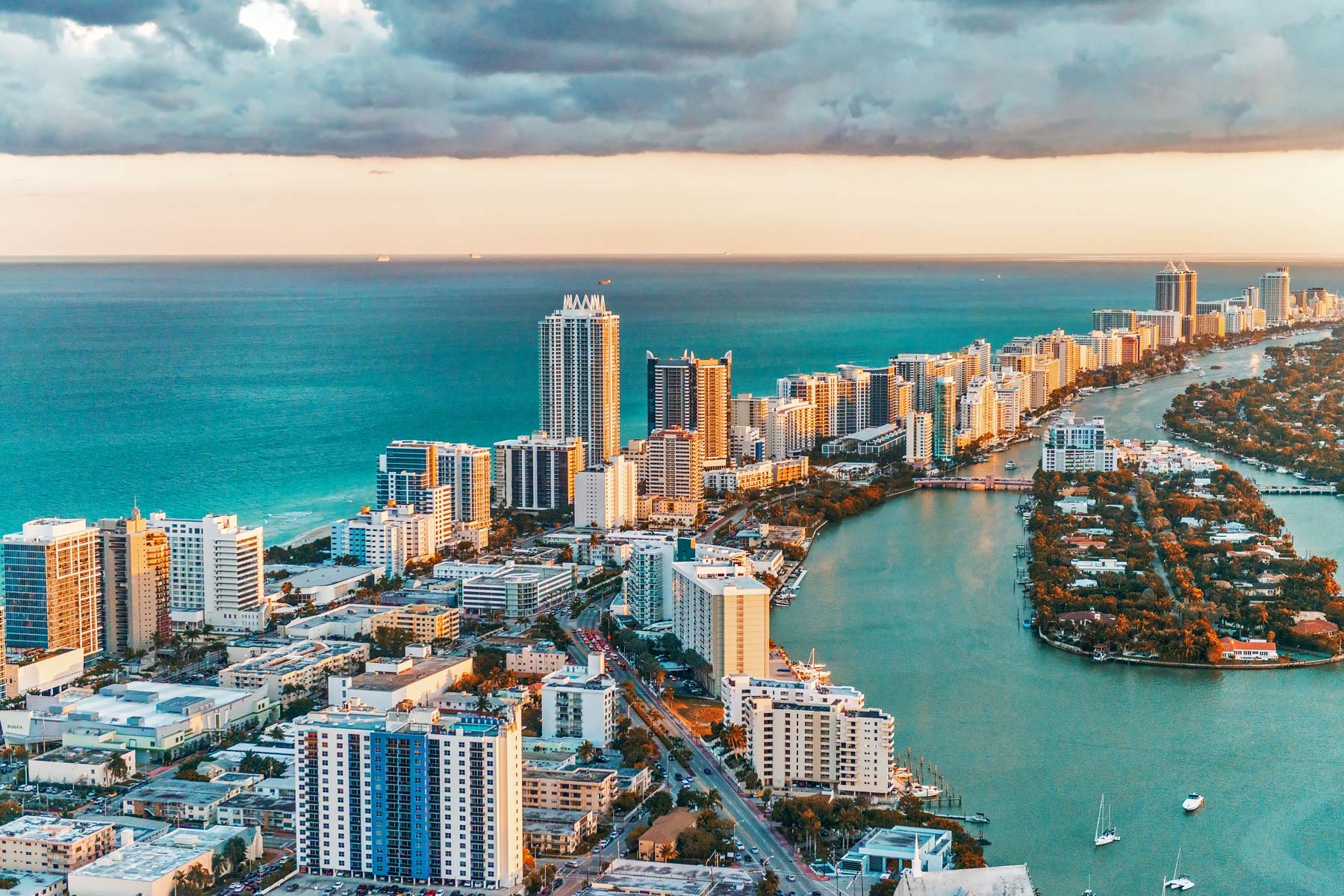
Miami: Known for its strong culture, beautiful beaches, and lively nightlife, Miami is a popular destination for tourists and residents alike.
Tampa: Located on the west coast of Florida, Tampa is known for its beautiful beaches, mixed population, and active arts scene.
Orlando: Home to world-famous theme parks and attractions, Orlando is a top destination for families and tourists.
Gainesville: Located in north-central Florida, Gainesville is home to the University of Florida and has a active arts and music scene.
Tallahassee: As the capital of Florida, Tallahassee is home to many state government agencies and institutions of higher learning. It is also known for its beautiful parks and outdoor recreation opportunities.
Tell the next person the thing the guide misses.
Things About Florida That Actually Surprised Me
After over a decade here, these are the things about Florida that stuck with me and that nobody really talks about before you move.
- Florida Man Is Not What You Think. Every state has weird arrests. Florida just tells you about them. Florida’s Sunshine Law means government records, including arrest records, are public by default. Journalists and bored people on the internet can pull them freely. The result is a decade of headlines that make the state look unhinged. The truth is that every state has people doing chaotic things at 2am. Florida just has transparency laws that make those stories accessible.
- Almost Nobody Here Is Actually From Here. Only about 40% of people living in Florida were born in Florida. That makes it one of the most transplant-heavy states in the country. What that means day to day is that almost everyone you meet has a story about where they came from and why they ended up here. It makes for good conversation at a backyard cookout.
- The Four Seasons of Florida. People ask about seasons here and the local answer is: summer, hurricane season, tourist season, and love bug season. It’s a joke, but it’s also mostly accurate. You do not experience fall foliage or a proper winter.
- The Stingray Shuffle Is Real. If you wade into the Gulf of Mexico and you don’t shuffle your feet along the sand, you run a real chance of stepping on a stingray buried just under the surface. They don’t want to sting you, you just surprised them. The stingray shuffle (dragging your feet as you walk in) alerts them so they move. Every local knows this. Learn it before your first time in the water.
- Pub Sub tip: Publix subs. If you know, you know. The chicken tender sub on the fresh-baked roll is the unofficial state food. This is not a paid advertisement. It’s just the truth.
- Every Neighborhood Looks the Same (At First). Strip mall. Publix. Wawa. Walgreens. Strip mall. Repeat. Florida developed fast and it developed with a template. When you first get here, every area genuinely looks like every other area and it takes a while to build the mental landmarks you need to get around without GPS. Give it six months.
- Quick Numbers Worth Knowing. Florida’s population is over 23.4 million and growing. The state adds roughly 300,000 to 400,000 new residents in a typical year. Average temperatures in Tampa run in the low 90s in summer and the mid-60s in winter. Cost of living statewide runs about 3 to 5% above the national average. Florida is a very tax-friendly state: no state income tax, a property tax rate of about 0.80% (below national average), and a sales tax of 6% (up to 7.5% with local surtax). The state adds roughly 1,000 new residents per day on average, making it one of the fastest-growing states in America. Whether that growth is sustainable with the insurance crisis and cost of living increases is the question everyone’s asking right now.
Things to Know About Living in Florida (Post Summary)
Moving to The Sunshine State might mean starting the next chapter in your life; a chapter full of love, outdoor activities, beach, water, and endless days of fun. Indeed, Florida has something to offer every member of the family; from Disney World to Miami Heat matches.
- Reduced taxes
- Mild winters
- Florida is a coveted vacation destination
- Affordable housing
- Florida is varied
- Great job market
- Access to the beach
- Sports culture
- Always something to do
- Water recreation
- Stunning flora and fauna
- You can grow produce at home
- High cost of living
- The healthcare rating
- Overall crime rate
- Florida is prone to natural disasters
- You’ll need a car while living in Florida
- The heat and humidity
- The landscape is completely flat
- Bugs galore
I hope you found these pros and cons of moving to Florida helpful. If you’re a lifelong Floridian, a recent transplant, or still on the fence about moving, I’d love to hear from you in the comments below. What did I get right? What did I miss? What would YOU add to this list? The comments on this post have turned into a legit community of locals sharing real, unfiltered takes. Don’t be shy about adding yours!
Cheers!
Tony (Tampa, Florida)
Compare the Pros vs the Cons of Living in Florida
| Pros | Cons |
|---|---|
| Reduced taxes | High cost of living |
| Mild winters | The healthcare rating |
| Florida is a coveted vacation destination | Overall crime rate |
| Affordable housing | Florida is prone to natural disasters |
| Florida is varied | You’ll need a car while living in Florida |
| Great job market | The heat and humidity |
| Access to the beach | The landscape is completely flat |
| Sports culture | Bugs galore |
| Always something to do | |
| Water recreation | |
| Stunning flora and fauna | |
| You can grow produce at home |
Map of Florida
More Helpful Florida Perspectives
- Best Places to Live Florida: 15 Best Places to Live in Florida
- Cheapest Places in Florida: 15 Cheapest Places to Live in Florida
- Best Places to Retire in Florida: 15 Best Places to Retire in Florida
- Cheapest Places to Live Florida: 15 Cheapest Places to Live in Florida
- Living in Florida: 20 Honest Pros and Cons of Living in Florida
- Living in Miami: 20 Honest Pros & Cons of Living in Miami (Let’s Talk)
- Living in Jacksonville: 15 Honest Pros & Cons of Living in Jacksonville
- Living in Orlando: 15 Honest Pros & Cons of Living in Orlando, Florida (Local’s Guide)
Life in Other Parts of the South
- Living in Georgia: 15 Honest Pros & Cons of Living in Georgia
- Living in Mississippi: 15 Honest Pros & Cons of Living in Mississippi
- Living in Arkansas: 15 Honest Pros & Cons of Living in Arkansas
- Living in Tennessee: 15 Honest Pros & Cons of Living in Tennessee
- Living in Texas: 15 Honest Pros & Cons of Living in Texas
- Living in Alabama: 15 Honest Pros & Cons of Living in Alabama
Related Reading
- Pros & Cons of Living in Tampa
- Pros & Cons of Living in Jacksonville
- Pros & Cons of Living in Orlando
- Pros & Cons of Living in Miami
- 15 Best Places to Live in Florida
- 15 PRIME Places to RETIRE in Florida
Locals describe a state split down the middle. Longtime residents and transplants who love the beaches and lack of income tax stay for the lifestyle, while others, especially those who’ve been there a decade or more, say overcrowding, traffic, and rising costs have pushed them toward leaving. The recurring warning is about hidden costs: high insurance, water bills, and utility fees that don’t show up in glossy relocation guides.
A surprise for newcomers is how much daily annoyance comes from bugs and wildlife, from noseeums and palmetto bugs to snakes and iguanas showing up on private property. Locals also warn that beach access isn’t as easy as advertised, with parking and crowding turning a quick trip into a hassle.
“This is a beautiful place (we are in SWFL) and the people are very friendly and welcoming here.”
Lisa Local · 6 years
“The humidity is absolutely ridiculous in the summer which is most of the year.”
Meena Local · 8 years
“Building a clean residency file from day one is the part nobody talks about”
Justin Reader