What’s the first thing that comes to mind when you think of living in Boston, Massachusetts? Cream pies, Fenway, Park, Boston Pops? Or maybe you’re thinking of notable historical sights or Boston’s many exclusive colleges.
Whatever comes to mind, we are here to tell you that living in Boston is a treat. There’s so much more to this diverse and eclectic metro area than most folks realize.
If you’re considering moving to Boston, we’ve put together a comprehensive list of some of the pros and cons of living in Boston to help make your decision easier.
Read on for an honest breakdown of daily life in Boston
Perks of Moving to Boston
#1. Location, location, location
Moving to Boston means living in a great central location for travel throughout the Northeastern United States. You’ll have easy access to several beaches, coveted vacation destinations (New England fall color) and will be in close proximity to nearby metropolises, such as New York City and Philadelphia.
Boston is a great starting spot for day trips to destinations such as Salem, Cape Cod, Martha’s Vineyard, Plymouth Plantation and much more. New York City, while not quite a day trip, is accessible in a four hour drive.
In short, you’ll never have a reason to be bored when living in Boston. Plus, the icing on the cake is that Boston’s Logan Airport provides easy access to domestic and international flights.
Live here? Is #1 still true? Say so
#2. Cultural opportunities and experiences
If you’re a history lover, a music fan, or an arts fanatic, you’ll be astounded by the cultural opportunities available while living in Boston.
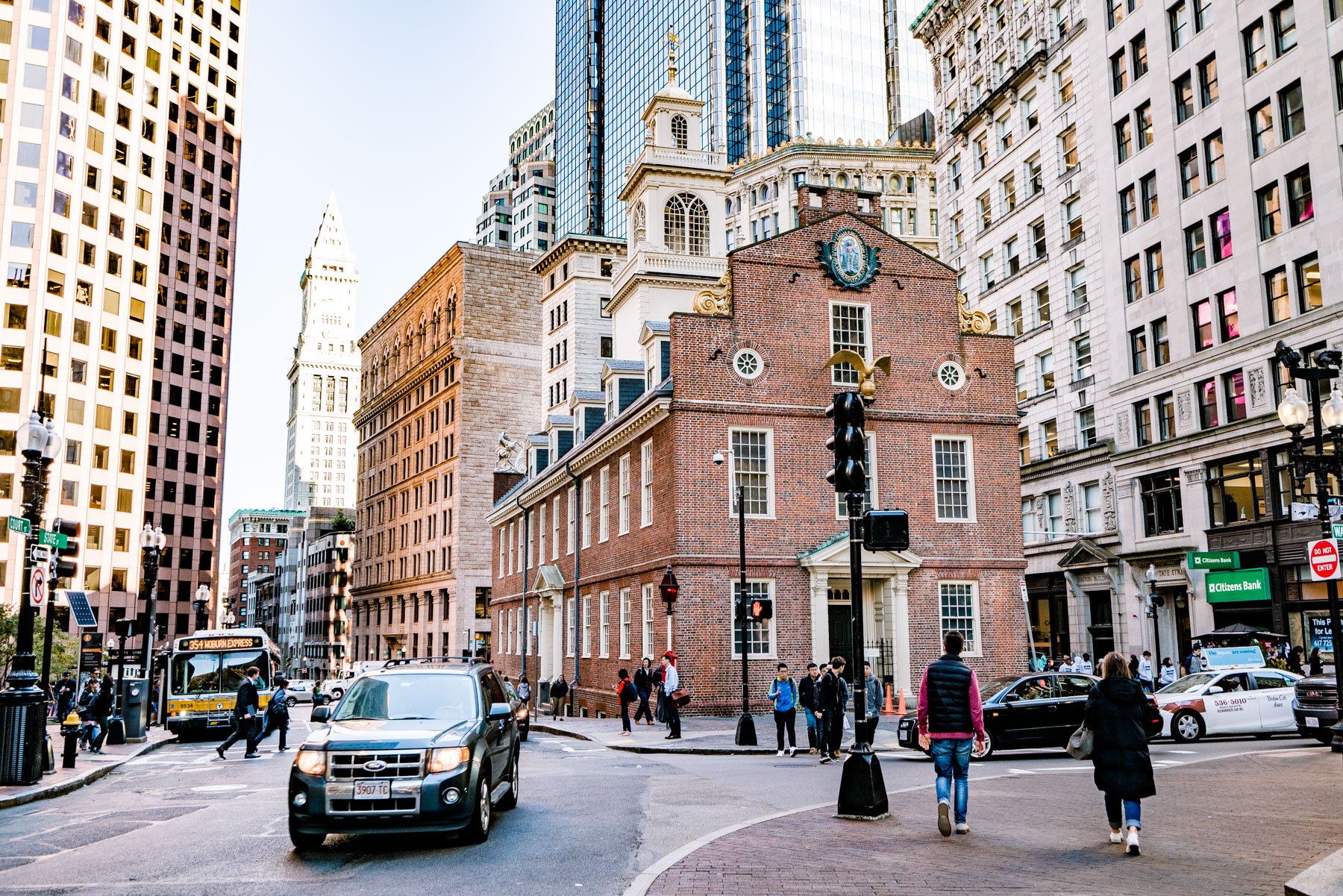
Boston’s architecture documents the history of one of the United States’ first major cities.
For a city of its size, it has an astounding number of museums – 58 – and that doesn’t even include the many galleries and freestanding historical buildings around the city.
And you better believe that while living in Boston, you’ll have access to numerous historical buildings, sights and cities – including Salem, Massachusetts, known for the witch trials of the 1690s.
You didn't mention the best 4th of July celebration in the country. D.c. not even close.
Used the museums, the library or the Common more than the bars? Say so.
#3. Extensive public transportation system
Boston is home to America’s first subway system, which was built in 1897. As the city grew up around the subway, routes were continually expanded to include new neighborhoods.
Public transportation in Boston is excellent, and it is entirely possible to live in the city without owning a car. Considering the high cost of living in Boston, this can be a great money-saver, particularly for students.
The subway system is generally safe and runs on a regular schedule.
To me, at age 70, the fantastic de-stresser of a city like Boston, is : using the subway ! Live near a subway station and you've got it made. In my opinion that also offsets just about any other nightmarish prices of living there.
Ditched your car for the T and never looked back? Say so.
#4. Boston is safe
US News recently rated Boston as the 13th safest place to live in America, based upon crime statistics and residents’ own reports.
Essentially, living in Boston is safer than most cities of its size or larger. US News further reports that, in 2020, Boston’s violent crime rate was lower than the national average (which includes not just large cities, but smaller towns and rural areas as well.)
So if you’re moving to Boston with a family in tow, consider it a good move!
2026 check: Boston’s violent crime rate was 583 per 100,000 people in 2025, above the national rate of 329, per the FBI.
I have been living in Boston for 7 years and I do enjoy living in the N.E. area; However, I do not enjoy calling the transit police once a week while I take the train from home to work (one hour and 1/2 commute).
Feel safe walking home from the T at night? Tell us which stop.
#5. The food scene
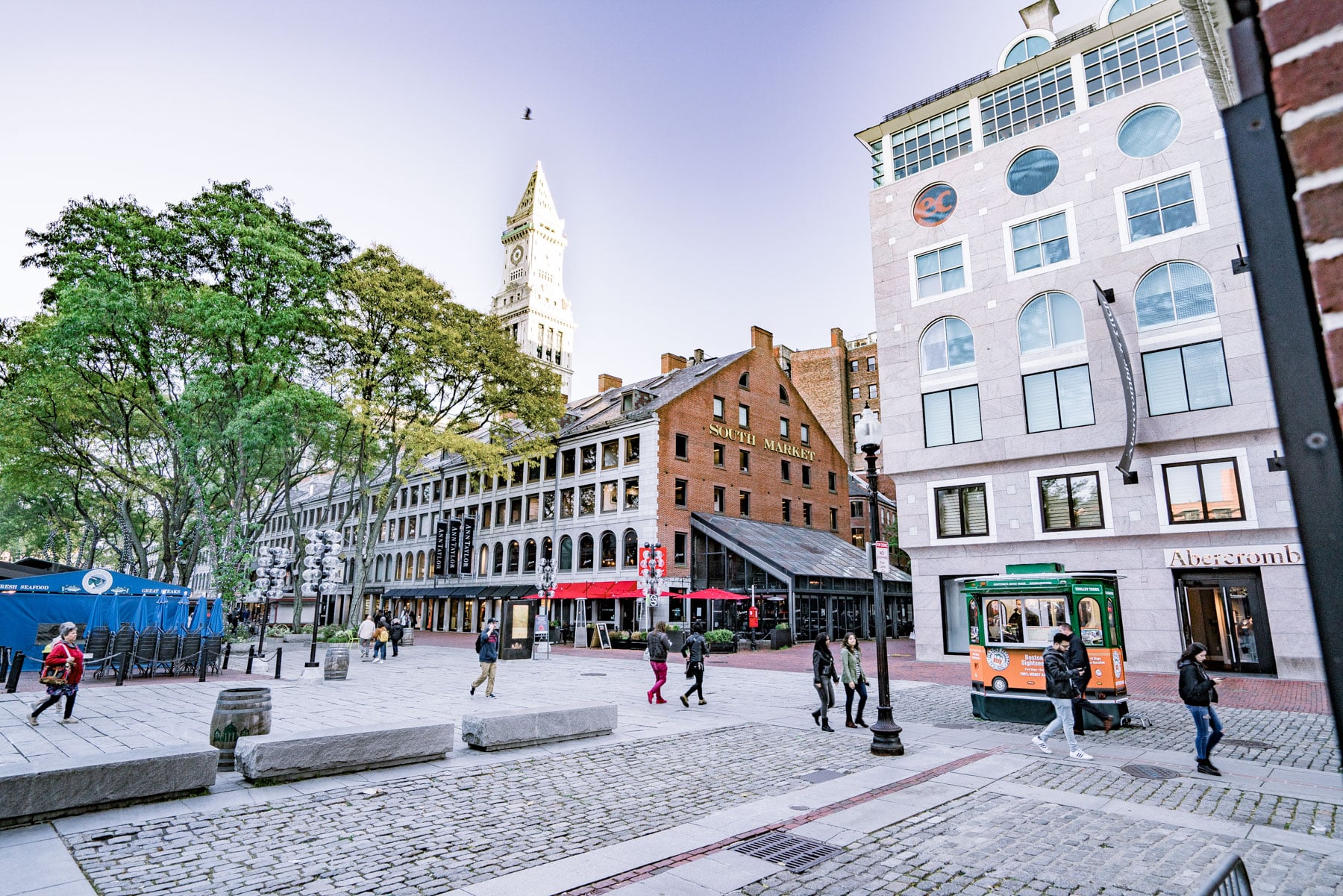
Boston is a diverse city with numerous ethnic neighborhoods, and is particularly famed for its fresh seafood and Italian cuisine.
Those living in Boston might point out, however, that you’d better not miss the Italian food in the North End or the incredible Asian cuisine of Chinatown. With more than 3,000 restaurants, there is definitely something for everyone.
Interested to try Boston’s dining scene for yourself? Check out this helpful article on the best outdoor dining options in Boston!
Live here? Is #5 still true? Say so
#6. Educational opportunities
While Boston is known for its phenomenal colleges and universities, there are many public school options in the Boston metro area that are also equally unparalleled.
The Boston Latin School, for example, is a public exam-entry school that is ranked number 36 in the entire nation by US News. As one of the first public schools in the US, its alumni list is filled with a who’s who of history, including Benjamin Franklin and Ralph Waldo Emerson, to name a few.
Live here? Is #6 still true? Say so
#7. Comfortable summers
The winters in Boston might be frightful, but the summers are pleasant and mild. Average summer temperatures range from the mid-70s to high-80s with very few, if any days, getting into the 90s.
Live here? Is #7 still true? Say so
#8. Diverse neighborhoods
Boston is a city made up of many distinct neighborhoods. Whether you prefer somewhere laid-back and artsy, a fast-paced lifestyle, or a historically ethnic neighborhood, you can find something to meet your needs when moving to Boston.
A few of the more famous Boston neighborhoods include the North End, a historically Italian neighborhood, and Chinatown, which is home to a large Asian population.
The suburbs but still within greater boston are the real deal. People are much friendlier. Even the store staff are friendlier. And yeah the students are annoying, but they're part of the eco-system that supports the city. The "historical sites" get boring quick but the museums dont.
Found your neighborhood inside the neighborhoods? Say so.
#9. Public green spaces
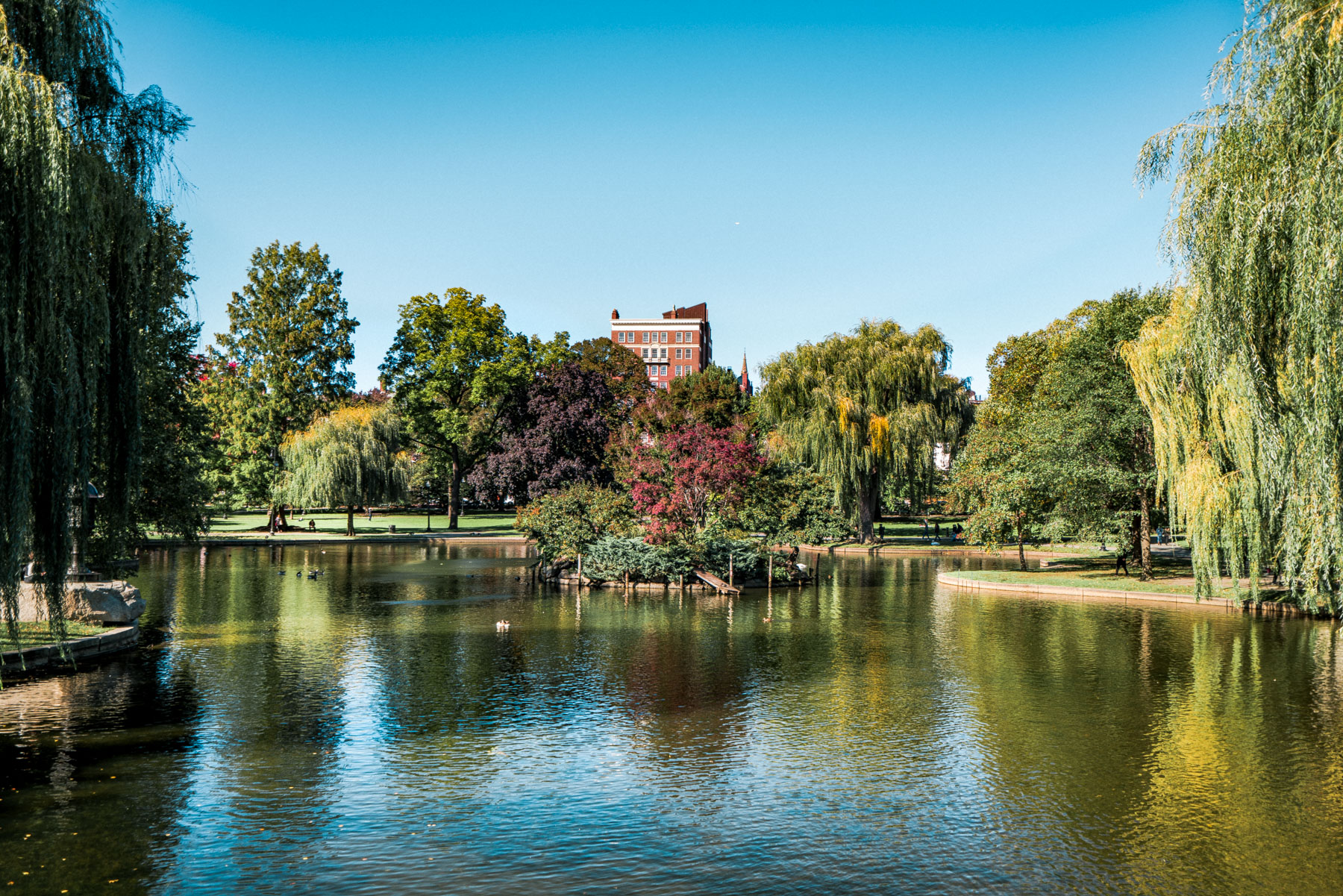
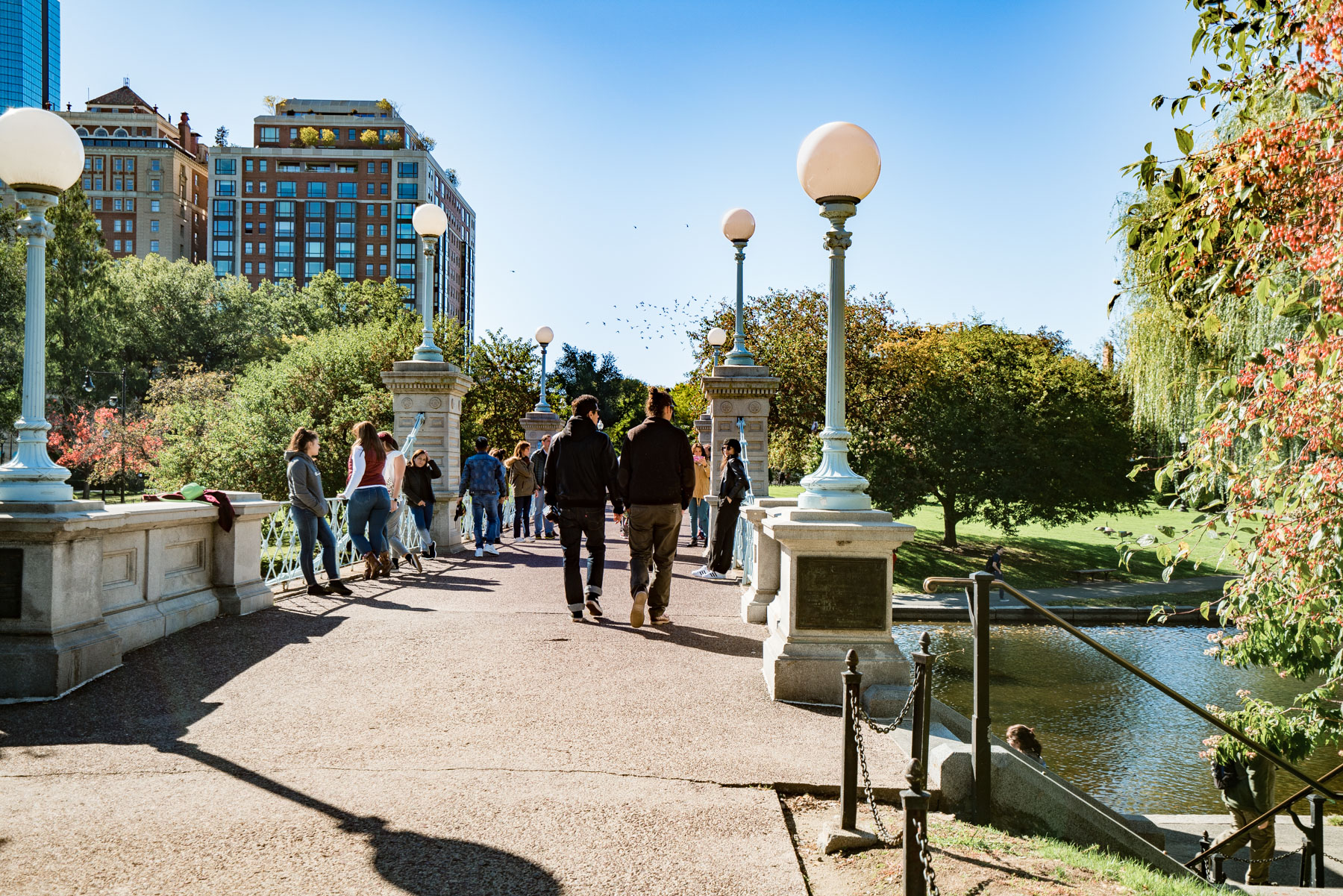
If you’re looking to get away from the concrete of the city, you’ll find an abundance of green space when living in Boston.
Large public parks, lakes and other green spaces abound and include spots like the famous Boston Common, Fenway Gardens, the Esplanade and Greenways.
Boston Common is known for its history as America’s first public park, and for its iconic swan boats.
Live here? Is #9 still true? Say so
#10. Strong Economy
Boston has a thriving economy with a strong jobs market with particularly abundant opportunities in innovation and tech, education, and finance sectors.
A 2018 report named Boston the American city with the “fastest growth in job opportunities” in the nation.
2026 check: jobs in the Boston area grew 0.2 in the year to August 2026, 71st-fastest of 106 cities we track, per BLS (August 2026).
Live here? Is #10 still true? Say so
#11. Healthy lifestyle
Boston residents enjoy a high quality of life and standard of living with access to excellent medical care. Massachusetts General Hospital, is ranked the 3rd best hospital in America.
Boston is home to many innovative medical programs and exceptional doctors and surgeons, which means you’ll be in good hands should you need medical care.
Live here? Is #11 still true? Say so
#12. Sports culture
Love ’em or hate ’em, Boston is home to two of America’s most famous sports teams, The Boston Red Sox and The Celtics. Fenway Park is the oldest – and arguably most famous – stadium in MLB (Major League Baseball), so you’ll have no shortage of great games to catch.
The spots culture is very much alive and well in Boston, so pick a team to root for and go all out!
Thinking about visiting Boston before finalizing your decision to move? If helpful, here’s the hotel I recommend to my own family and friends.
Live here? Is #12 still true? Say so
Cons of Living in Boston
#1. Cost of living
Moving to Boston on a budget? It will be tough.
Living in Boston has always been expensive and the cost of living continues to increase yearly. Whether buying or renting, it’s a challenge to find an affordable living situation in many of Boston’s popular neighborhoods.
Boston’s housing costs are 48% higher than the US average, with the average rent in 2020 coming in at just over $3,400. Students in the city frequently start out in dorms or with multiple roommates to ease the financial pressure of daily life in Boston.
2026 check: typical rent in Boston is $3,338 and a typical home is worth $774,723, per Zillow (August 2026). The straight answer: How much does it cost to live in Boston? ↓
The cons of living in Boston are mostly benign. The high rents are the most common complaint nowadays. That aside, Greater Boston(the city proper is small compared to other major cities) is generally comfortable, safe region in which to live.
Rent eating half your paycheck? Say so.
#2. Bitter winters
Living in Boston in the summer is a breeze. The real test comes when winter hits!
The average winter temperatures hover around freezing, with occasional bouts of below-freezing dips. It’s not unusual to have snow and ice that lasts into March, or even April. Mercy!
Boston’s average snowfall in January (based on the past thirty years) is just under thirteen inches. Of course, the number of inches in any given year can fluctuate greatly from that average number.
The short of it is, you can expect lots of snow and bitter winds for several months of the year when living in Boston.
2026 check: Boston’s official snowfall normal is 14.3 inches for January and 14.4 for February, per NOAA’s climate normals (1991 to 2020).
Live here? Is #2 as bad as this says? Say so
#3. Nightmare traffic
All those jokes you’ve heard about driving in Boston aren’t too far off base. Boston is not an easy town to navigate. Unlike New York City, Boston is not set up on a grid system.
Streets run every which way and roundabouts are common. For many years, studies have ranked it the worst traffic congestion problem in the US, with commuters losing an average of nearly 150 hours per year in traffic.
2026 check: Boston drivers lost 83 hours to congestion in 2025, the 5th-most in the US (Chicago was 1st, at 112), per INRIX (December 2025).
Live here? Is #3 as bad as this says? Say so
#4. Parking is a headache
Parking in Boston is both expensive and difficult. Finding spots in neighborhoods or business districts can be impossible, and where they do exist, you can plan on paying a high premium.
Many people opt to pay a monthly fee for parking, rather than struggle to find street parking at their residence. So if you’re moving to Boston with a car in tow, make sure to account for the high cost of car ownership + parking while living in Boston.
Live here? Is #4 as bad as this says? Say so
#5. Lackluster nightlife
If you’re moving to Boston for nightlife, you might be disappointed. Clubs and bars close at 2 AM or earlier. Because of the overall high cost of living, you’ll also find that drinking gets very expensive very quickly.
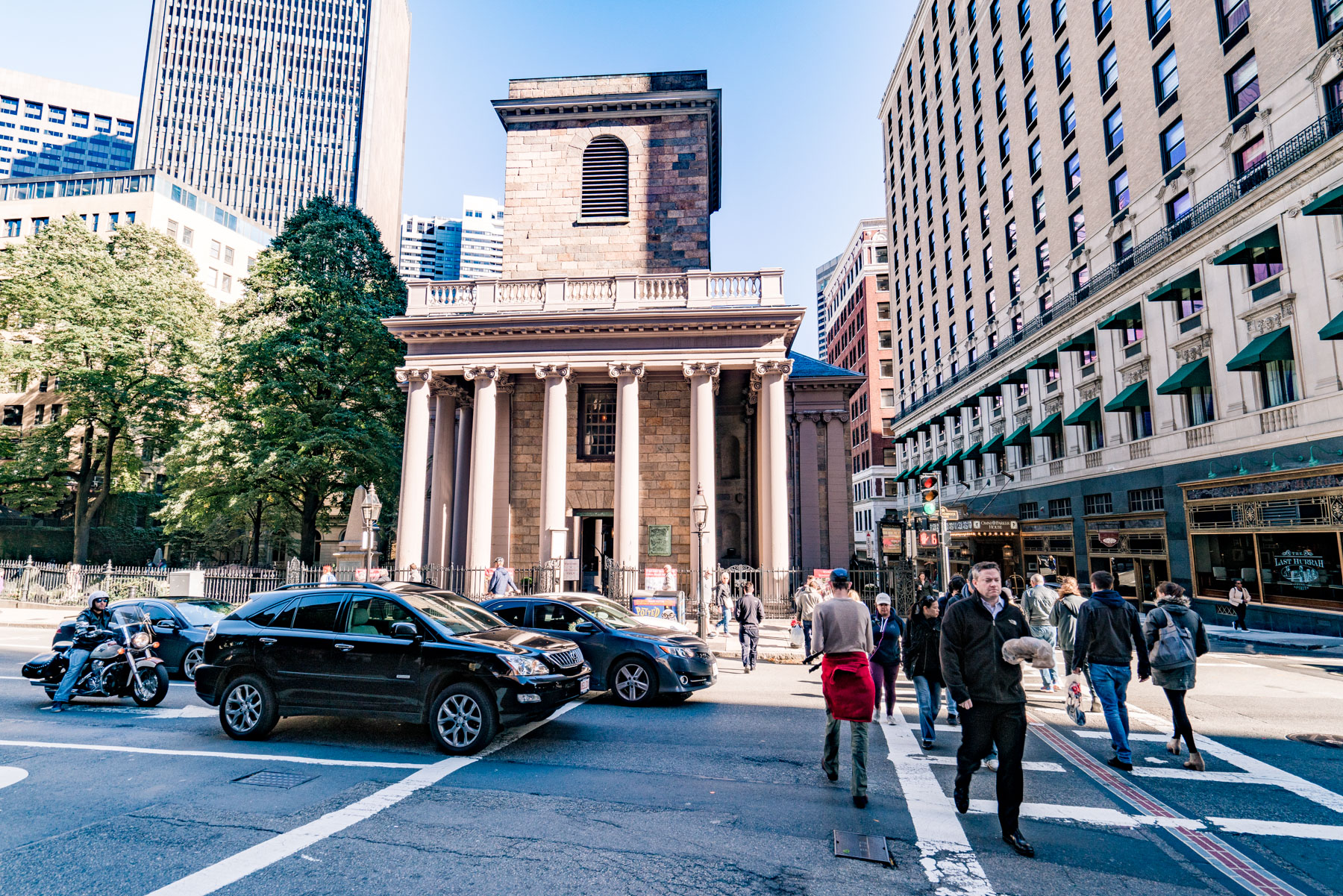
Boston is boring. I live in MA. I grew up going into Boston on weekends and other parts of New England. Living in the suburbs is better. Anywhere in eastern MA is a close drive to Boston except Cape Cod.
Found the nightlife anyway, or in bed by 11? Say so.
#6. Expensive flights
Logan Airport may be easy to get to, but it’s also a smaller airport which does not serve as a hub for any of the major airlines.
This equates to more expensive flights, which can really add up if you’re a regular traveler. While flights run regularly, on average, tickets are more expensive than from neighboring airports.
Live here? Is #6 as bad as this says? Say so
#7. Difficult landlords
Finding and securing rental unit when moving to Boston can be incredibly tricky. Because of the influx of students and the incredibly competitive rental market, you’ll find lots of inexperienced landlords and – unfortunately – some who are quick to take advantage of renters.
It’s especially important to carefully review leases and rental contracts, and many new renters hire a real estate agent to help navigate the process.
Spot on!!!! YES ( LOCATION LOCATION LOCATION) ROXBURY #1 RESTUARANT, MBTA, then again spot on LANDLORDS, FITTINGS IN, COST, PARKING
Dealt with a landlord who wouldn't fix a thing? Say so.
#8. Fitting in can take time
While the stereotypes of Bostonians as prickly and grumpy are not – by and large – true, neighborhoods tend to be close-knit and more reluctant towards outsiders.
It takes time to adjust to any new city, and many new Boston residents report that, at first, it can be a little lonely.
Boston natives can take a little longer to warm up, partly due to the ever-rotating cast of students that filter through the city. It’s a place with a lot of turnover.
Boston is absolutely amazing but there is a little bit of elitism that makes it a little unbearable at times. Also, moving to Boston is absolutely nuts – parking permits and Storrow Drive. …
Boston is my home town. Did I say "town"? Yes, that's correct as Boston is more like a town where everybody knows everybody. But a word of warning. "Don't mess with Bostonians". As we are like family and we all join together if anyone messes with one of us.
How long did it take Boston to let you in? Say so.
#9. Smaller living spaces.
You know that whole high-cost-of-living in Boston thing we keep bringing up? Keep in mind that it also equates to getting a smaller space for your money.
Whether you’re renting or buying after moving to Boston, odds are that you are going to end up with a much smaller home for the money than you would have in many other cities.
With Boston’s rental cost averaging in at around $4.25 per square foot, many residents might gladly take the smaller space for the monetary savings.
Live here? Is #9 as bad as this says? Say so
#10. Lots of walking
Arguably, this could be a pro or a con of living in Boston. If you’re coming from a city where you’re used to parking your car and walking right into a business, you’re in for a rude awakening.
Whether you take public transport or have to find a parking spot at your destination, you are likely going to be doing a great deal of walking in your everyday life.
Summer walking can be great, but you may find yourself cursing it come winter. 25% of Boston commuters walk at least half a mile each way to work, whether coming from a train or bus stop or walking from home.
Live here? Is #10 as bad as this says? Say so
#11. Density
If you’re not a fan of getting real up close and personal with your neighbors, living in Boston might not be for you. The greater Boston area is the third most densely populated city in the United States!
The city of Boston takes up substantially less land than most other cities with its population. Stores and services are crammed in close together, and you can expect to find a crowd just about everywhere you go.
Live here? Is #11 as bad as this says? Say so
#12. Limited daylight hours
Boston’s northern location means that during a large portion of the year, it begins getting dark in the late afternoon. While this may not be a big deal for some, it can be quite disruptive to many people’s internal clocks and leave them feeling drained or tired.
Between the few hours of daylight, cold weather, and rain, the climate and lack of sun can exacerbate SAD (Seasonal Affective Disorder) symptoms for some individuals.
However, there are ways around SAD while living in Boston — invest in a Happy Light – here’s the one I use daily.
Live here? Is #12 as bad as this says? Say so
Money, safety and Mass and Cass in Boston: what the list leaves out
The list above is right about the cost and the winters. Here’s what it doesn’t say, with the numbers.
How much does it cost to live in Boston?
More than almost anywhere in the country. The typical rent is $3,338 a month and a typical home is worth $774,723; across Greater Boston, the median single-family house sold for $1,032,500 in April, an all-time high.
Is Boston safe?
Mostly, yes. Boston had 31 homicides in 2025, up from a record-low 24 the year before, and that’s still the second-lowest total in 20 years. The mayor calls it the safest big city in America; locals who ride the T at night will tell you it depends on the stop.
What’s happening at Mass and Cass?
The tent camp at Massachusetts Avenue and Melnea Cass Boulevard is mostly gone, down to small groups by late 2025, and the city now pushes people toward detox or jail. Neighbors in the South End and Roxbury say a lot of the drug use and the break-ins just moved onto their blocks. Opioid deaths in the city are down 56% from their 2023 peak, by the early count, so something’s working. Whether it’s working for the people who were living there is the argument.
How bad is homelessness in Boston?
Boston counted 3,674 people homeless in its 2026 census, down from 5,506 a year earlier. Nearly all of that drop is families in shelter, 3,384 people down to 1,673, and the Boston Globe found some leaders asking whether that’s real improvement or the state’s tighter family shelter rules keeping families out of the count. Boston has had no families sleeping outside in any count since 2007, and only about 3% of the people counted were unsheltered.
If you’ve lived through a Boston shelter or worked in one, yours is the view this page is missing. Tell the next person what the counts don’t show.
Is Boston worth what it costs you, or are you already planning your way out? Tell the next person the truth from your street.
What's it really like to live in Boston?
Living in Boston is old, dense, brilliant and expensive: people come for the schools, the jobs and life without a car, and leave over the rent, the dark winters and how slowly it lets you in.
Here are the questions people actually type about Boston, answered straight. Where a local in the thread said it better, they get the last word.
Why do people leave Boston? Is it worth it?
Cost, mostly, and the dark. Rent this steep, a typical apartment runs $3,338 a month, and a winter where the sun sets before 4:30pm wear people down faster than crime or the T ever could. Our take: it’s worth it if you want a walkable, subway-connected life, which is rare in this country, and you can pay for it.
Is Boston a good place to live in your 20s?
Good, if you don’t mind splitting rent. The city’s twenties crowd is real, thanks to the colleges packed into a few square miles, and the T means you can skip owning a car entirely, which is real money back given what rent already takes. The tradeoff is space: most people this age share a place, because a studio alone at Boston prices eats an entry-level paycheck fast.
Is Boston boring?
Depends who you ask, and that’s con #5 above for a reason: Massachusetts bars have to stop serving by 2am, and the bar scene isn’t why most people move here. One reader in this thread calls Boston outright boring and says the suburbs give a better quality of life for less money. Another disagrees hard: the city’s 4th of July show alone, he says, beats DC’s without much competition. They’re both talking about the same city, and both posts sit under the claims above.
What are people like? Is it hard to make friends?
Depends on the zip code, honestly. Suburban Boston gets called friendlier than the city core, even by people who love the city itself. Inside Boston proper, the stereotype of a tight, insular, look-out-for-your-own culture is real: it can take time to be let in, but once you are, people show up for you hard.
Show the 3 sources for this section
- $3,338−1.1%Zillow Observed Rent Index (city) · 2026-08103rd cheapest of 106 cities
- $795k−0.6%FRED / realtor.com · 2026-0897th cheapest of 103 cities
- $775k−0.3%Zillow Home Value Index (city) · 2026-0898th cheapest of 105 cities
- 4.3%+0.4 ptBLS Local Area Unemployment Statistics · 2026-0760th lowest of 106 cities
- AQI 26GoodAirNow · 09/27/268th cleanest of 105 cities
- $4.40−0.6%AAA · 2026-09-2865th cheapest of 101 cities
Locals’ verdict12 locals scored cost, weather, jobs, people and safety; where Boston stands on our rankings
The percentage shows at 10 votes.
Pros and Cons of Moving to Boston (Post Summary)
There you have it; a few compelling arguments in regards to moving to Boston. To recap, here’s the complete list of the pros and cons of living in Boston.
- Great location
- Cultural and educational opportunities
- Great food scene
- Serviceable public transportation
- Eclectic neighborhoods
- Thriving job market
- Safety
- Sports
- Green spaces
- Balmy summers
- High cost of living
- Bitter winters
- Boston traffic
- Difficult and expensive parking
- Lackluster nightlife options
- Expensive flights
- Difficult landlords
- Small living spaces
- Steep curve for making friends
- Lots of walking
- Dense neighborhoods
- Limited daylight hours
Of course, in the end, only you can be the one to decide which city best matches up with your own personal needs, budget and personality.
What one person considers a pro, another might think of as a con. Boston is just one of many great cities throughout the U.S. Best of luck to you in finding the perfect place to hang your hat.
Questions? Comments?
Let us know if you have any questions or comments in the section below. It’s always a pleasure to hear from you!
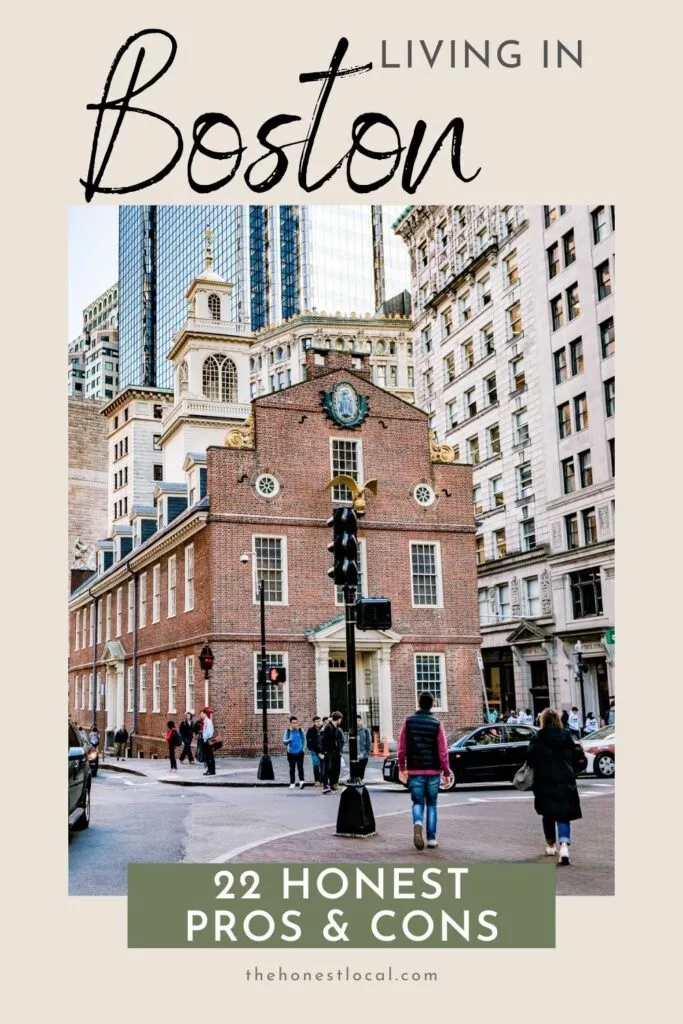
With a population exceeding 685,000, Boston offers many of the conveniences and amenities of big city life while retaining a small-town feel in a plethora of neighborhoods. It’s not hard to see why so many folks enjoy living in Boston.
Cheers!
Locals split along a suburb versus city line. Those who love Greater Boston, especially towns like Newton, praise the friendly people, the transit access, and DCR parks and rinks that keep costs down, while people who stuck it out in the city itself talk about tight-knit neighborhoods where everybody has your back.
Others who left for the suburbs or never moved in say the city itself is pricier, more crowded, and tougher for raising a family, pointing to high rents, parking nightmares, and rising homelessness tied to drug problems as the recurring warning. The surprise for newcomers is how much locals lean on the subway itself as a way to dodge the worst of the cost of living, since skipping a car erases parking tickets, insurance, and repair bills entirely.
“Don't mess with Bostonians”
Johnny 'O Reader
“I do not enjoy calling the transit police once a week while I take the train from home to work”
Rick with D Local · 7 years
“Live near a subway station and you've got it made.”
Patrick Richard Reader